


A water softener usually does its job quietly. You do not hear much from it. You do not think about it every day. It just helps your water feel better on your skin, makes soap rinse more cleanly, and reduces the chalky buildup that hard water leaves behind. That is why resin problems often go unnoticed for a long time.
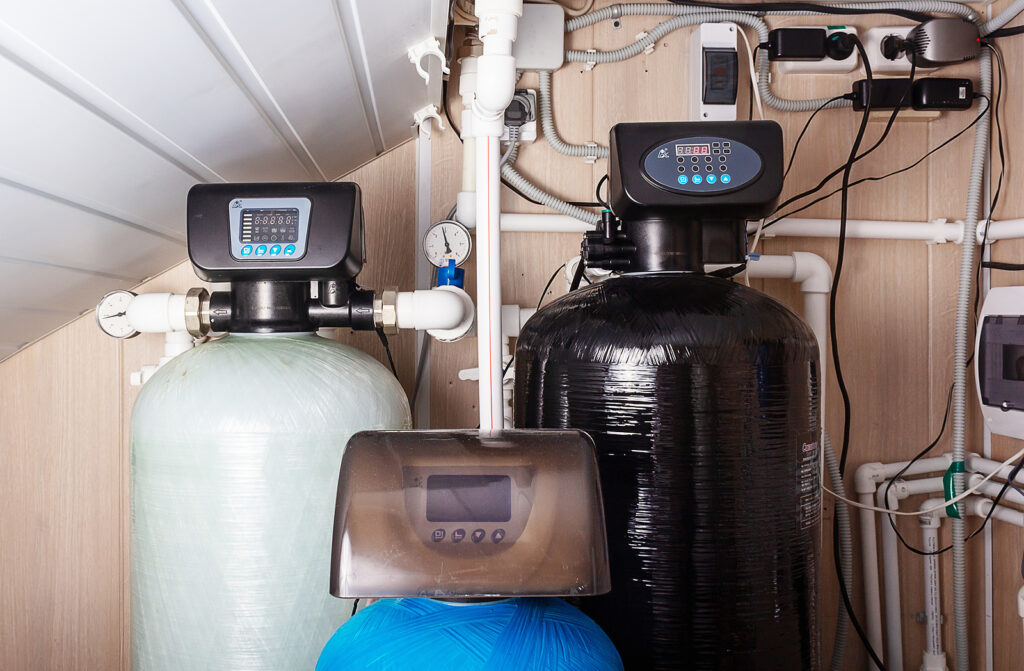
Most homeowners expect a water softener problem to be obvious. They imagine a total failure, a sudden drop in performance, or a clear warning sign. In real life, water softener resin usually loses effectiveness slowly. The system may still run. It may still regenerate. The salt tank may still look normal. Yet the resin inside can start doing a weaker job long before the average homeowner notices a major change.
That slow decline matters. Resin sits at the center of the softening process. Once it starts losing performance, the whole system starts working less effectively. The changes can be subtle at first, but over time they affect water quality, cleaning results, plumbing fixtures, and appliance performance.
For homeowners in Metairie, New Orleans, LA and the surrounding areas, understanding how this happens can help prevent months of reduced water quality and unnecessary strain on the plumbing system.
What Water Softener Resin Actually Does
Inside a standard water softener, thousands of tiny resin beads handle the real work. As water passes through the mineral tank, those beads attract and hold the minerals that make water hard, mainly calcium and magnesium. In exchange, the system releases sodium or potassium, depending on the setup.
That exchange process is what turns hard water into softened water. The resin does not just support the system. It is the system’s main treatment surface. Without healthy resin, the water softener cannot perform the way it should.
Over time, the resin beads fill up with hardness minerals. During regeneration, the unit flushes those minerals away with a brine solution so the beads can keep working. This cycle repeats over and over, which is why the resin can last for years. Still, lasting for years does not mean it stays equally effective during all those years.
Why Resin Loses Effectiveness Gradually
Resin usually does not fail all at once. It wears down through repeated exposure to hard water, minerals, chlorine, sediment, and long-term use. Each of those factors can reduce the resin’s ability to attract and release hardness minerals properly.
The decline often happens in stages. At first, the resin may still soften most of the water, just not as efficiently as before. Then it may start missing more hardness minerals during peak water use. Later, homeowners may begin noticing stronger signs like soap that does not lather as well or water spots showing up more often.
This slow change makes resin issues easy to overlook. People adapt to the change without realizing it. They may think their water is just acting a little differently or that they need a different soap or detergent. Meanwhile, the resin keeps losing capacity.
Chlorine Can Damage Resin Over Time
One of the biggest hidden threats to resin is chlorine. Many municipal water supplies use chlorine for sanitation, and while that helps protect drinking water, it can be hard on water softener resin over time.
Chlorine slowly attacks the surface of the resin beads. Instead of staying strong and stable, the beads begin to break down. They can become brittle, less reactive, or physically damaged. Once that happens, they lose some of their ability to capture hardness minerals effectively.
This damage does not usually cause an instant failure. The softener may keep running as if everything is fine. That is why chlorine-related resin wear often continues unnoticed until the drop in softening performance becomes much more obvious.
In regions where treated city water is common, this issue deserves attention because the damage builds slowly and steadily in the background.
Sediment And Iron Can Interfere With Resin Performance
Hardness minerals are not the only things that move through a water softener. Some water supplies carry sediment, iron, or other dissolved material that can coat the resin or interfere with its normal function.
Iron is especially troublesome. It can cling to the resin beads and create a coating that prevents proper mineral exchange. Sediment can also create physical interference inside the mineral tank, making it harder for water to move evenly through the resin bed.
This kind of buildup reduces efficiency without stopping the unit from cycling. The softener still regenerates. Water still passes through the tank. But the resin does not work as cleanly or effectively as it once did.
Many homeowners do not spot this problem early because the system appears to be active. The issue is not whether the softener is on. The issue is whether the resin inside still has the strength and surface condition needed to soften water properly.
Why Homeowners Often Miss The Early Signs
Water softener resin loss usually shows up through small changes, not dramatic breakdowns. That makes the early warning signs easy to ignore.
You may notice soap does not lather quite the same. Towels may feel a little stiffer. Water spots may return to dishes or fixtures a little faster. Skin may feel slightly drier after showers. Shampoo may not rinse quite as smoothly.
Each of these signs seems minor by itself. Most homeowners do not connect them immediately to resin condition. They may blame seasonal changes, cleaning products, or plumbing fixtures. Since the water softener still appears to be functioning, the resin rarely becomes the first suspect.
That is what makes resin decline so easy to miss. The change happens gradually enough that many people adjust to it without realizing the system is no longer performing at its full level.
The Softener Can Still Regenerate And Still Underperform
A lot of people assume regeneration means the softener must be healthy. That is not always true. Regeneration only means the unit is cycling through its cleaning process. It does not guarantee the resin is still in strong condition.
A weakened resin bed can still go through regeneration and still perform poorly afterward. That happens because the control valve, salt tank, and timer may all work normally while the resin inside the tank has already lost part of its capacity.
This is one of the biggest reasons homeowners continue using a declining system for so long. The machine still appears active. Salt is still being used. Water still moves through the unit. On the surface, nothing looks broken.
Yet the resin may no longer remove hardness minerals effectively enough to deliver the same water quality the home used to have.
How Resin Wear Affects Everyday Water Use
Once resin starts losing effectiveness, the effects spread through daily life. You may not notice every change at once, but the results build up over time.
Common household effects can include:
- Soap and shampoo that do not rinse as cleanly
- More spots on glasses, sinks, and shower doors
- Less soft feeling water at taps and in showers
- Reduced detergent performance in laundry and dishes
- More visible mineral buildup on fixtures
These signs often appear before homeowners realize the softener itself needs attention. The water is not necessarily fully hard again, but it is no longer being softened at the level it once was.
That in-between stage is where many systems stay for a long time. The decline is real, but not dramatic enough to force immediate action.
Why Peak Water Demand Often Reveals The Problem First
A softener with weakened resin may still keep up during low-demand periods. The trouble often appears during heavier use. Morning routines, multiple showers, laundry cycles, and kitchen use can push the system harder and reveal the resin’s reduced capacity.
Under those conditions, the softener may run out of effective exchange capacity faster than it used to. That means the household may receive softened water part of the time and harder water the rest of the time. The result feels inconsistent.
One day the water may seem fine. Another day it may feel different. That inconsistency can make diagnosis harder because the problem does not always look the same from one day to the next.
This uneven performance is a common sign that the resin is losing strength before the homeowner sees a major total decline.
How Professional Service Helps Identify Resin Problems
Resin problems are not always obvious from the outside. A professional can look at system age, water quality, regeneration performance, and softening results to determine whether the resin still performs properly.
This matters because not every water softener issue comes from the resin itself. Salt bridging, valve problems, incorrect settings, blocked lines, or poor regeneration can all affect performance. A proper inspection helps separate those issues from actual resin wear.
A technician can also evaluate whether the resin has become fouled, damaged, or simply worn out from years of use. That kind of evaluation gives homeowners a clearer answer than guesswork based on feel alone.
Bienvenu Brothers helps homeowners in Metairie, New Orleans, LA and the surrounding areas identify water softener performance issues before they create larger problems for fixtures, appliances, and daily comfort.
Why Waiting Too Long Creates Bigger Water Quality Problems
A softener with weakened resin does not just affect comfort. It can also increase the mineral stress placed on plumbing fixtures, water-using appliances, and water heaters. As the system becomes less effective, hardness minerals move farther into the home again.
That can lead to more buildup on faucets, inside appliances, and around showerheads. Cleaning becomes harder. Water spots return faster. Soap use may increase because products stop working as well in harder water.
The longer that trend continues, the more the household adjusts to lower water quality and the more likely those small changes become routine. By the time the issue feels major, the resin may have been underperforming for quite a while.
Paying Attention To Small Changes Helps
The most useful thing a homeowner can do is notice gradual changes instead of waiting for an obvious failure. A water softener rarely announces resin decline in one dramatic moment. It usually hints at it through subtle, repeatable signs.
Water that feels different, cleaning that takes more effort, spotting that returns faster, or performance that seems inconsistent during busy times can all point to resin that no longer works as well as it should.
Healthy resin helps the whole softener do its job. Once that resin starts to weaken, the system may still look active while the results keep slipping. Catching that change early helps protect the plumbing system and restores the water quality the home depends on every day.
Frequently Asked Questions
What does water softener resin do?
Water softener resin removes hardness minerals like calcium and magnesium from the water through an exchange process inside the mineral tank.
Can resin lose effectiveness even if the softener still regenerates?
Yes. The unit can still cycle normally while the resin inside has already lost part of its ability to soften water effectively.
What are the early signs of weak water softener resin?
Early signs can include more water spots, soap that does not lather well, drier skin, and water that feels less soft than before.
Does chlorine affect water softener resin?
Yes. Chlorine can slowly damage resin beads over time and reduce how well they perform.
Should resin problems be professionally inspected?
Yes. A professional can tell whether the issue comes from worn resin or another part of the water softener system.
Call Bienvenu Brothers at (504) 835-7783 for water softener service in Metairie, New Orleans, LA and the surrounding areas.