


A brand new air conditioner that still leaves your home feeling humid and uncomfortable is one of the most frustrating experiences a Louisiana homeowner can have. You spent significant money on new equipment, the system runs, the thermostat reads 73 degrees, and yet the house still feels clammy and sticky. In most of these situations, the cause is not a defective system. It is a system that is too large for the home it was installed in.
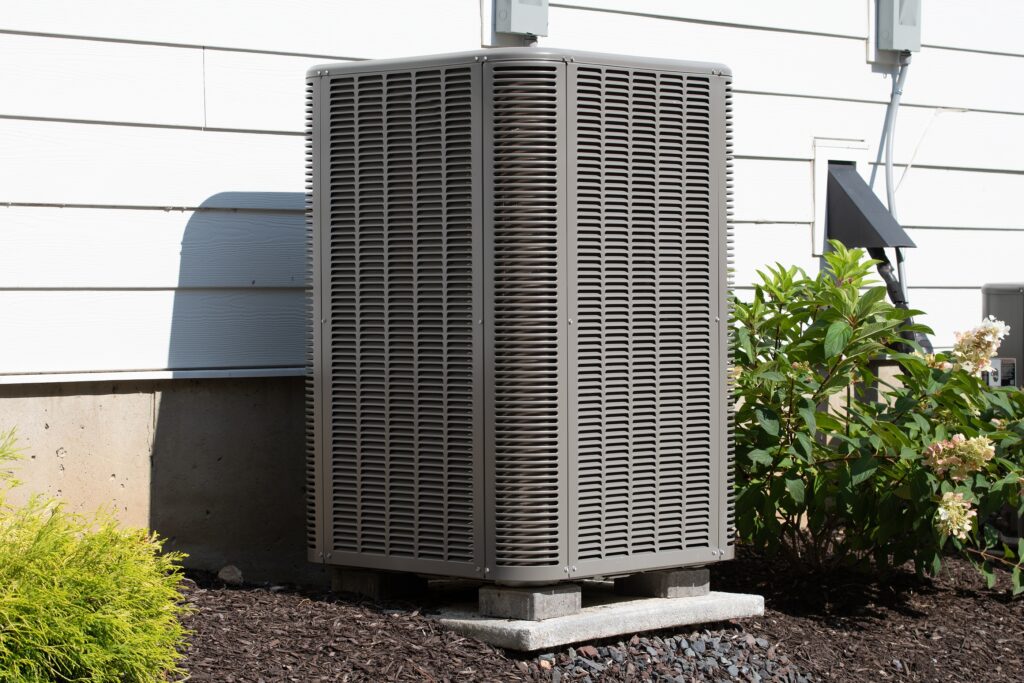
AC oversizing is one of the most common installation problems in Louisiana and across the Gulf Coast. Understanding why it happens, what it does to your comfort and equipment, and what options exist when you discover it can save you from years of unnecessary discomfort and cost. For questions about your specific system, call Bienvenu Brothers at (504) 835-7783 or visit our AC installation and cooling services.
The Contractor Instinct That Causes Most AC Oversizing
The logic behind oversizing sounds reasonable on the surface. If Louisiana summers regularly push heat indexes above 110 degrees, surely a larger system handles that heat better than a smaller one. This reasoning is wrong, and the HVAC industry has known it for decades.
According to the Air Conditioning Contractors of America, contractors who skip or estimate rather than calculate sizing consistently produce oversized equipment. ACCA’s own position states that oversized cooling systems short-cycle, satisfying the thermostat setpoint quickly and shutting off before the coil has been cold long enough to condense adequate moisture from the air, resulting in spaces that are cool but muggy. This is not a design quirk. It is a measurable engineering failure that affects every single oversized installation.
The second common cause is matching the old system size. When a 15-year-old three-ton system fails and the contractor installs a new three-ton unit, they assume the original installer got sizing right. Many did not. ACCA analysis confirms that rule-of-thumb sizing methods used historically, such as one ton per 500 square feet, systematically oversize modern, well-insulated homes by 25 to 50 percent. Installing the same size as the previous unit locks in that original error.
What Short Cycling Is and Why It Matters So Much in Louisiana
Short cycling is the operating pattern that defines an oversized AC system. The unit turns on, the space reaches the thermostat setpoint temperature in five to ten minutes, and the compressor shuts off. Then the space warms slightly, and the cycle repeats. Instead of long, steady runs that condition the air thoroughly, the system runs in brief, frequent bursts.
Short cycling damages comfort and equipment in three distinct ways in Louisiana’s climate specifically.
First: humidity is never removed. Dehumidification on an evaporator coil requires the coil to stay cold long enough for water vapor to condense on its surface. An oversized system that shuts off in minutes never gives the coil time to reach effective condensation conditions. Louisiana homeowners describe this accurately: the temperature is right, but the air feels wet. According to Manual J load calculation research, an oversized system’s coil often never reaches the temperature required for condensation to occur, allowing moisture to pass through untreated.
Second: energy consumption rises despite apparent efficiency. Compressor startups draw substantially more current than steady-state operation. ACCA data confirms oversized systems create 15 to 30 percent higher energy bills through short-cycling alone. Louisiana homeowners who install high-SEER systems expecting lower utility bills and instead see no improvement are often experiencing this effect.
Third: equipment wears out faster. Compressor longevity depends on complete operating cycles that maintain lubrication and temperature stability. Frequent hard starts stress compressor windings, reduce oil circulation during brief cycles, and create thermal shock from rapid temperature changes. An oversized system often fails prematurely compared to properly sized equipment.
The Humidity Problem Is Worse in Louisiana Than Anywhere Else
Humidity control is the defining comfort challenge in Louisiana’s climate. Metairie and New Orleans experience outdoor relative humidity regularly above 80 percent from May through September. The indoor humidity threshold for comfort is approximately 50 to 55 percent. An air conditioning system in Louisiana must remove enormous quantities of moisture from every cubic foot of air it conditions, this latent cooling load is as critical as sensible temperature reduction.
ACCA’s Manual S standard permits cooling equipment to be sized up to 15 percent above the Manual J calculated load for single-stage equipment. In a high-humidity market like the New Orleans area, sizing exactly to the load or selecting variable-capacity equipment is the safer call. Beyond 15 percent oversizing, latent performance degrades measurably, as documented in ENERGY STAR’s guidance on proper HVAC sizing.
When an oversized system fails to dehumidify the home, the consequences compound over time. Humidity above 60 percent sustained indoors promotes mold growth in ductwork, on building surfaces, and inside wall cavities. Louisiana homes are already predisposed to mold risk from the climate. An oversized AC system that consistently delivers cool but humid air accelerates that risk significantly, particularly in older Metairie and New Orleans homes where air sealing and vapor management are less robust than in modern construction.
Hot and Cold Spots: The Temperature Problem That Comes With Short Cycling
Oversized systems also create temperature distribution problems that properly sized systems do not produce. When a system runs short cycles, supply air at the highest temperature differential floods rooms quickly, overheating supply register areas while remote rooms in the home barely receive conditioned air before the system shuts off. The thermostat satisfies in the zone where it is located, but rooms farthest from the air handler or at the end of duct runs never receive their share of conditioning.
Homeowners often describe this as feeling a blast of cold air near a vent while another room stays stuffy. This is not a ductwork problem or a thermostat problem. It is a direct result of the system operating in bursts rather than long, steady cycles that allow time for conditioned air to distribute evenly through the duct system and into all rooms.
Signs Your New AC May Be Oversized
- Short operating cycles of five to ten minutes that satisfy the thermostat before the house feels truly comfortable
- Indoor humidity staying high despite the AC running, giving the air a clammy or sticky quality even at the correct temperature
- Higher energy bills than expected from a new system, particularly if you upgraded to a higher SEER rating hoping for lower costs
- Hot or cold spots between rooms with uneven temperature distribution despite the main area reaching setpoint
- Frequent system cycling where the compressor starts and stops multiple times per hour rather than running fewer, longer cycles
- Condensation or moisture on windows, walls, or surfaces indicating indoor relative humidity consistently above 55 to 60 percent
- A persistent musty odor from ductwork or surfaces that accumulates from sustained indoor humidity
What Proper AC Sizing Looks Like for a Louisiana Home
The ANSI-recognized standard for residential HVAC sizing is ACCA Manual J, published by the Air Conditioning Contractors of America. Manual J is a room-by-room, component-by-component analysis accounting for square footage, ceiling height, insulation R-values, window characteristics, orientation, shading, occupancy, ductwork location, and local climate design temperatures. For the New Orleans metro area, those design temperatures reflect the combination of high sensible and high latent cooling loads that Louisiana’s climate demands. Without this calculation, a contractor is estimating, and estimates in hot, humid climates trend toward oversizing.
A proper sizing consultation before installation should include direct questions about your home’s thermal envelope, not just square footage. The contractor should explain their sizing basis. If the answer is that they are matching the old system or applying a rule of thumb, the sizing is likely inaccurate. A contractor willing to perform or reference a Manual J calculation is providing the professional standard the HVAC industry requires.
If you are planning a new AC installation and want to ensure proper sizing, or if you believe your recently installed system may be oversized, our AC repair and evaluation team can assess your system’s performance against your home’s actual cooling requirements. For homes considering ductless mini-split systems, which tolerate modest oversizing better through variable-speed compressor modulation, visit our ductless air conditioning.
What to Do If Your Newly Installed AC Is Oversized
If your new system shows the signs described above, start by documenting the pattern. Note the cycle length during normal operation, measure indoor humidity if you have a hygrometer, and track energy bills against your previous system. This documentation gives a technician useful data for evaluation.
Contact the installing contractor first and request a system performance review. If the contractor dismisses your concerns without evaluation, or if the evaluation does not reference an actual load calculation, get an independent assessment. A second opinion from a different licensed HVAC company can confirm whether the system is oversized and provide options for resolution.
Options when oversizing is confirmed depend on severity. Mild oversizing in a variable-speed system may be manageable with airflow adjustments. Significant oversizing in a single-stage system typically requires replacement with properly sized equipment. Bienvenu Brothers provides honest, independent HVAC evaluations throughout Metairie, New Orleans, and the surrounding area. Our AC maintenance team can also assess your existing system’s performance. Call (504) 835-7783 or Contact Bienvenu Brothers to schedule a system evaluation.
Frequently Asked Questions: AC Oversizing in Louisiana Homes
These questions address what Metairie and New Orleans homeowners most commonly ask when their new air conditioning system does not perform the way they expected.
What does it mean when an AC system is oversized for my home?
An oversized AC has more cooling capacity than your home actually needs. Rather than running long, steady cycles, it cools the space rapidly, satisfies the thermostat, and shuts off before completing enough time to remove humidity. The result is a home that feels cold on the thermostat but clammy and uncomfortable in reality.
How do I know if my new AC is too large for my home?
The most reliable signs are short cycles that last only five to ten minutes, persistent indoor humidity even when the thermostat is satisfied, rooms that feel cool but sticky, hot and cold spots between rooms, and energy bills that are higher than expected on a new system. A licensed HVAC technician can verify system sizing against an actual Manual J load calculation.
What is short cycling and why does it damage an AC system?
Short cycling is when an AC system turns on, reaches the thermostat setpoint too quickly, and shuts off before completing a full operating cycle. Compressor startups draw significantly more electrical current than steady-state operation. Frequent cycling amplifies this wear, shortens compressor life, increases energy bills, and prevents the coil from staying cold long enough to remove meaningful humidity from the air.
Why does humidity stay high in my Louisiana home even when the AC is running?
Humidity removal requires the evaporator coil to stay cold for an extended period of contact with return air. An oversized system satisfies the temperature setpoint in minutes and shuts off before the coil can condense enough moisture. The result is air that reaches the right temperature but carries the same moisture load it had before. In Louisiana’s climate, where indoor comfort depends as much on humidity control as temperature, this failure is immediately noticeable.
Does an oversized air conditioner cost more to run in Louisiana?
Yes. According to ACCA analysis, oversized systems create 15 to 30 percent higher energy bills through short-cycling alone. Frequent compressor startups draw higher peak current. Additionally, the inability to remove humidity forces many Louisiana homeowners to run supplemental dehumidifiers, adding further to operating costs that a properly sized system would avoid entirely.
Can an oversized AC contribute to mold growth in my Louisiana home?
Yes. Persistently high indoor humidity from an oversized AC that never dehumidifies adequately creates ideal conditions for mold growth on walls, inside HVAC ductwork, on furniture, and in the structural cavities of the home. Louisiana homes already face elevated mold risk from the climate. An oversized system that consistently delivers cool but humid air compounds this risk significantly over time.
How common is AC oversizing in Louisiana and the Gulf Coast region?
AC oversizing is widespread throughout the Gulf Coast region. The ACCA notes that contractors historically used rules of thumb such as 500 square feet per ton rather than performing actual load calculations. This systematic approach oversizes modern, well-insulated homes by 25 to 50 percent. The tendency to size up in hot climates compounds the problem, as contractors add extra capacity out of concern for peak summer heat without accounting for latent cooling load requirements.
What is a Manual J load calculation and why does it matter for Louisiana homes?
Manual J is the ANSI-recognized ACCA standard for residential HVAC load calculation. It evaluates square footage, insulation R-values, window characteristics, ceiling height, orientation, occupancy, ductwork location, and local climate design temperatures to determine the precise cooling capacity a specific home needs. ACCA Manual S permits cooling equipment to be sized up to 15 percent above the Manual J total cooling load. Beyond that, latent performance in humid climates degrades measurably.
Can an oversized AC problem be fixed without replacing the entire system?
In some cases, partial fixes help. Variable-speed or two-stage systems tolerate modest oversizing better than single-stage equipment because they can run at lower capacity for longer periods. Zoning systems can help by directing conditioning to occupied areas. However, a system significantly oversized for the home’s actual load will not perform correctly regardless of these adjustments, and replacement with properly sized equipment is often the only permanent solution.
Does a bigger air conditioner cool my home better in extreme Louisiana heat?
No. Cooling capacity beyond what a home’s thermal envelope actually demands produces no additional benefit and actively creates comfort problems through poor humidity control. A properly sized system running long, efficient cycles during Louisiana’s 95-degree summers delivers far better comfort than an oversized system that short-cycles repeatedly without ever removing the humidity that makes Louisiana heat feel unbearable.
Why do some HVAC contractors install systems that are too large?
Some contractors default to oversizing as a form of insurance, believing that extra capacity handles peak summer days better. Others match the old system size without questioning whether the original system was ever properly sized. Some skip Manual J calculations entirely to save time or because customers focus on brand rather than size. The result is that many Louisiana homeowners live with oversized systems installed by well-intentioned contractors who did not follow ACCA sizing standards.
What should happen during a proper AC installation consultation in Louisiana?
A proper consultation should include questions about your home’s square footage, room count, ceiling heights, insulation levels, window count and type, sun exposure, number of occupants, and existing ductwork condition. The contractor should reference local design temperatures for the New Orleans area and perform or commission an actual Manual J load calculation rather than quoting a size immediately or simply matching the old system.
Can variable-speed AC systems compensate for being slightly oversized?
Variable-speed compressors modulate output down to 25 to 40 percent of rated capacity during part-load conditions, allowing them to run longer cycles even when sized moderately above the home’s cooling load. This produces better dehumidification than single-stage equipment of the same nominal size. However, variable-speed systems still perform best when properly sized, and significant oversizing still degrades comfort and efficiency even with variable-speed technology.
Does having a larger AC mean it will last longer because it works less hard?
No. Compressor longevity depends on consistent, complete operating cycles that maintain proper lubrication and temperature conditions inside the compressor. Short-cycling from an oversized system stresses the compressor through repeated hard starts, inadequate oil circulation during brief cycles, and thermal shock from rapid temperature changes. An oversized system often fails prematurely compared to a properly sized system that runs steady, complete cycles.
What should I do if I think my newly installed AC is oversized for my home?
Start by documenting the problem with notes on cycle lengths, indoor humidity readings if you have a hygrometer, comfort complaints, and energy bills. Contact Bienvenu Brothers for a system evaluation. Our licensed HVAC team can measure actual system performance, verify sizing against the home’s thermal envelope, and provide honest guidance on whether adjustments or replacement makes the most sense for your situation.
Why Bienvenu Brothers Approaches AC Installation Differently
Bienvenu Brothers has served Louisiana homeowners since 1937. Our BBB A+ Rated, 4th generation family-owned company is 100% recommended on Facebook, Loved Locally on Nextdoor, and an Angi Super Service Award winner. Licensed (LMP#7214WSPS) and fully insured, our HVAC technicians understand that comfort in Louisiana depends on humidity control as much as temperature. We do not match old system sizes without evaluation, we do not apply square-footage rules of thumb to sizing decisions, and we provide honest, evidence-based recommendations before any installation commitment. If you have questions about your current system or are planning a new installation, call or visit our heat pump and cooling services for the full range of solutions we offer.