


Many homeowners assume that if an electronic air cleaner is still running, it must still be doing its job well. That idea makes sense on the surface. The system powers on, the HVAC unit runs, air continues moving through the house, and nothing seems completely broken. Yet indoor air can still start to feel less fresh, dust can return to surfaces faster, and the home may not feel as clean as it did before. One common reason for this problem is dirty collection cells inside the electronic air cleaner.
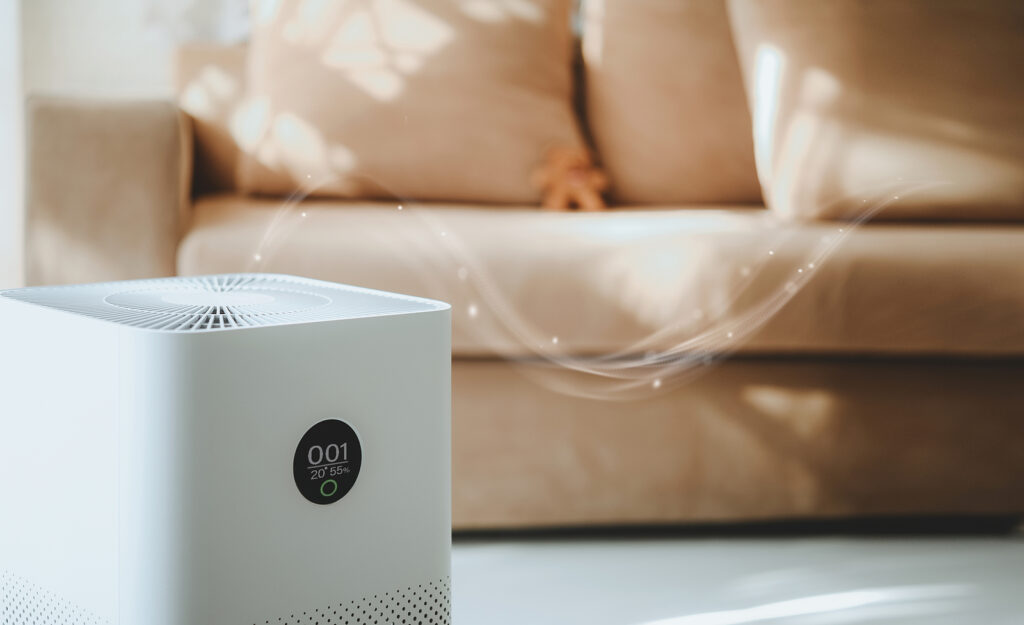
This issue can be easy to miss because the equipment often keeps operating. It does not always shut down. It does not always make a dramatic noise. It may not even trigger a clear warning for the homeowner. The unit just works less effectively, little by little, until the difference becomes noticeable in the air you breathe and the dust you see.
For homeowners in Metairie, New Orleans, LA and the surrounding areas, indoor air systems work under demanding conditions. Long cooling seasons, heavy humidity, outdoor particles, and year-round HVAC use can all add to the amount of material moving through the system. That means air cleaner maintenance matters more than many people realize.
What Collection Cells Actually Do Inside an Electronic Air Cleaner
An electronic air cleaner does not work like a standard disposable filter. Instead of only trapping particles in filter media, it uses an electrical process to help remove fine airborne material. As air moves through the cleaner, tiny particles receive an electrical charge. Those charged particles then get pulled onto collection cells inside the unit.
Those cells act like the main capture surface. They hold onto fine dust, smoke particles, pet dander, pollen, and other airborne material that may pass through standard filters more easily. This process can make a major difference in how much fine dust keeps circulating through the home.
Because the collection cells do most of the heavy lifting, their condition matters a lot. Once they become coated with debris, their ability to attract and hold new particles drops. The unit may still run, but the air cleaning effect weakens.
Why Dirty Collection Cells Do Not Always Cause a Shutdown
A lot of HVAC problems become obvious because the system stops running. Dirty collection cells usually do not create that kind of clear signal. The blower still moves air. The thermostat still calls for cooling or heating. The air cleaner may still have power. From the homeowner’s point of view, the system looks active.
That is what makes this problem tricky. Dirty collection cells often reduce performance quietly. They interfere with how well the cleaner captures airborne particles, but they do not always stop the equipment from operating.
Think of it like a kitchen strainer that is still in place but partially coated with residue. Water may still pass through, but not in the same clean, open way. The strainer has not disappeared. It just is not working at full capacity anymore.
Electronic air cleaners can behave the same way. The collection cells stay installed, air still passes through them, and the system keeps running. The problem is that they are no longer collecting particles the way they should.
How Dirt Buildup Changes Air Cleaner Performance
As dust and debris collect on the cells, several things can start to happen at once. First, the surface that normally captures particles becomes coated. That buildup reduces the cleaner’s ability to attract new debris efficiently. Second, airflow through that section of the system may become less smooth. Third, the unit may begin to lose consistency in how well it removes fine particles from the air.
This decline does not always happen overnight. It usually builds gradually. At first, the difference may be hard to notice. Then you may start seeing more dust on furniture shortly after cleaning. The air may feel a little heavier. You may notice that allergy-like irritation seems more noticeable indoors than before. None of those changes automatically prove the air cleaner is the problem, but dirty collection cells often play a role.
A home can still feel conditioned and comfortable in temperature while the air quality side quietly slips backward.
Signs the Air Cleaner Is Running but Not Performing Well
A dirty collection cell problem often shows up through changes in the home rather than a dramatic equipment failure. The HVAC system may still cool and heat properly. The issue appears in the quality of the air and how quickly particles seem to return.
Common signs include:
- Dust settling on surfaces faster than usual
- Air that feels stale or less fresh
- More visible particles near vents or return areas
- Less relief from pet dander or fine indoor debris
- A home that feels harder to keep clean even with regular filter changes
These signs can feel confusing because homeowners may already be maintaining the HVAC filter and still notice the same complaints. That often leads to the mistaken belief that the air cleaner is fine simply because it has not stopped running.
Why This Problem Gets Worse in High Use Seasons
During periods when the HVAC system runs often, the air cleaner handles more airflow and more airborne material. That means dirt buildup can increase faster. In places with long cooling seasons and humid conditions, the system may spend months moving large amounts of indoor air every day.
More airflow means more particles passing through the cleaner. Outdoor dust, pollen, pet dander, indoor fabric fibers, and everyday household debris all add to the load. The more the system runs, the more the collection cells have to capture.
This is one reason homes in Metairie and New Orleans may notice performance drop sooner than expected. Frequent AC use does not just affect the cooling equipment. It also increases wear and dirt accumulation inside indoor air quality components connected to the system.
Why Homeowners Often Blame the Wrong Part of the System
When indoor air feels dusty or stale, people often start with the most familiar maintenance item: the HVAC filter. That is a reasonable first step. Filters matter. But when the air still feels off after a filter change, the next assumption may be that the home is just unusually dusty or that the air cleaner was never very effective to begin with.
In many cases, the real issue is simpler. The collection cells need cleaning.
Because the electronic air cleaner still has power, it gets overlooked. The equipment appears active, so attention shifts elsewhere. Homeowners may clean more often, change filters more frequently, or even assume outdoor conditions are solely to blame. Those factors can contribute, but dirty cells can quietly reduce the cleaner’s performance enough to make all those efforts feel less effective.
How Dirty Cells Can Affect More Than Dust Levels
Dust control is often the first thing people notice, but collection cell buildup can affect more than visible particles. Fine airborne material influences how a home feels from day to day. A cleaner that is not performing well may allow more of that material to keep cycling through the house.
That can affect:
- How fresh the air feels
- How quickly shelves and surfaces collect dust
- How much pet dander seems to linger
- How much fine debris stays suspended in busy rooms
- How satisfied homeowners feel with their indoor air setup
This does not mean every air quality complaint comes from dirty collection cells. It does mean they are one of the most overlooked causes when an electronic air cleaner seems to be running normally but the home no longer feels as clean as it once did.
Why Proper Cleaning Matters
Collection cells need more than a quick wipe. They need to be cleaned in a way that removes built-up debris without damaging the components. Heavy dirt, sticky residue, and fine particle buildup can all interfere with performance.
When cells are cleaned properly, they can return to doing their job much more effectively. The unit can capture airborne material more efficiently, and homeowners may notice better day to day air quality again.
The exact cleaning schedule depends on system use, indoor conditions, pets, dust levels, and how much the HVAC system runs through the year. Homes with heavier indoor particle loads usually need more frequent attention than homes with lighter use.
Regular upkeep makes a difference because it prevents the gradual drop in performance that happens when buildup keeps accumulating unnoticed.
The Difference Between “Working” and “Working Well”
This is really the core issue. An air cleaner can still be on without doing its best work. That difference matters. A lot of home equipment falls into this category. A system does not need to fail completely to stop delivering the level of performance you expect.
With electronic air cleaners, dirty collection cells often create that gap. The unit is technically operating, but it is not cleaning the air the same way it did when the cells were clean. That can leave homeowners with a system that looks functional while indoor comfort quietly changes.
Good indoor air quality depends on more than power to the unit. It depends on the parts inside the cleaner staying clean enough to do their actual job.
Why Professional Service Helps
Some homeowners stay on top of maintenance themselves, but many do not realize how much collection cell condition affects indoor air performance until the symptoms become obvious. A professional inspection helps determine whether the air cleaner is operating at full strength or simply running without delivering the results it should.
A trained technician can inspect the condition of the collection cells, check overall system airflow, and make sure the air cleaner is matched correctly to the HVAC equipment. This matters because indoor air quality problems can come from more than one source. A service visit helps narrow down what the home is actually dealing with.
Bienvenu Brothers helps homeowners in Metairie, New Orleans, LA and the surrounding areas keep electronic air cleaners operating the way they should. Clean collection cells, proper system condition, and steady airflow all work together to support cleaner indoor air.
Why This Issue Should Not Be Ignored
Dirty collection cells may not shut the system down, but they can slowly chip away at the comfort and air quality the homeowner expected from the equipment. The longer the buildup continues, the less effective the cleaner may become. That leaves the home dealing with more fine particles even though the air cleaner appears to be on the job.
A clean, well-maintained electronic air cleaner supports the whole point of having one in the first place. It helps reduce fine airborne material, supports a cleaner-feeling home, and gives the HVAC system a stronger indoor air quality partner.
If your electronic air cleaner still runs but the home feels dustier, heavier, or less fresh than it used to, dirty collection cells may be part of the reason.
Frequently Asked Questions
Why does my electronic air cleaner still run if the collection cells are dirty?
The unit can stay powered on and move air even when dirty collection cells reduce how well it captures particles.
Do dirty collection cells affect dust levels in the home?
Yes. Dirty cells can reduce particle capture, which may allow more fine dust to keep circulating and settling on surfaces.
How can I tell if my air cleaner is not performing well?
Common signs include faster dust buildup, air that feels less fresh, and less noticeable improvement in indoor air quality.
Can dirty collection cells affect airflow too?
They can contribute to less efficient airflow through the cleaner, especially when buildup becomes heavy over time.
Should electronic air cleaners be professionally checked?
Yes. A professional can inspect the collection cells, check performance, and make sure the system is working as intended.
Call Bienvenu Brothers at (504) 835-7783 for electronic air cleaner service in Metairie, New Orleans, LA and the surrounding areas.