


May in New Orleans means one thing is certain: your air conditioner is about to work harder than a Saints linebacker. With temperatures already climbing into the upper 80s and humidity levels that make the air feel thick enough to swim through, now is the worst possible time to discover your AC has been sitting idle with problems you didn’t know existed. You turn the thermostat down on the first truly hot day, and nothing happens. Or worse, it runs constantly but your house never drops below 78 degrees while your energy bill shoots up like a festival crowd on Bourbon Street.
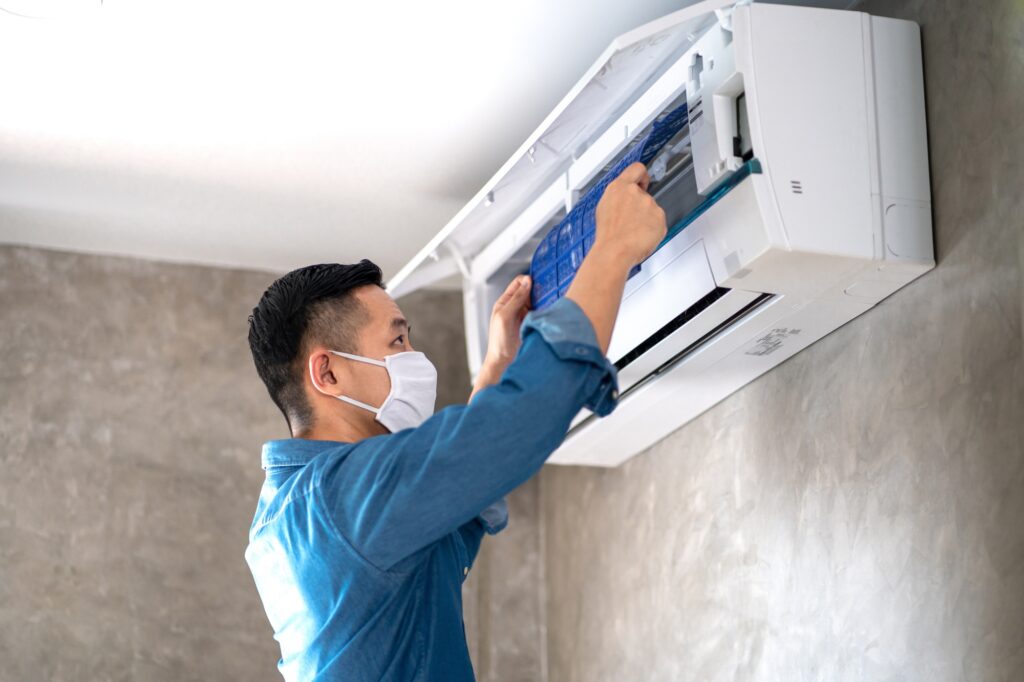
A professional AC tune-up before summer gives you something most New Orleans homeowners desperately want: peace of mind that your system will actually work when you need it. This detailed look at what happens during that service visit shows you exactly what you’re paying for, why each step matters in Louisiana’s brutal climate, and how spending $150 now prevents a $3,000 emergency repair in July.
Why May Is Your Last Chance for Pre-Summer AC Maintenance
Most HVAC companies in the New Orleans area see their schedules fill up fast once temperatures hit 90 degrees. By mid-June, you’re looking at two-week waits for routine maintenance while everyone who skipped spring service scrambles for emergency repairs.
May sits in that sweet spot where temperatures are warm enough to properly test your system but cool enough that you can survive a day without AC if the technician finds a problem requiring parts. Your system has been mostly idle since last October. Sitting unused for six months creates specific issues that only show up when you demand full performance.
Dust accumulates inside the unit. Electrical connections loosen from temperature cycling. Refrigerant can leak slowly without you noticing until the system struggles to cool. These problems don’t announce themselves during a casual test run in April. They reveal themselves when your AC runs eight hours straight in 95-degree heat with 85% humidity.
What Your Technician Inspects First
The outdoor condenser unit takes the biggest beating from Louisiana weather. Our technicians start here because this component does the heavy lifting in your cooling system, and it sits exposed to everything the Gulf Coast throws at it.
We check the concrete pad for settling or tilting. New Orleans soil shifts, especially after heavy rain. A tilted unit strains refrigerant lines and can damage the compressor over time. The technician levels it if needed before moving to the condenser coils themselves.
These aluminum fins get clogged with cottonwood seeds, oak pollen, and that mysterious fuzzy stuff that blankets everything during spring in Louisiana. We use specialized coil cleaner and low-pressure water to remove buildup without bending the delicate fins. Clean coils transfer heat efficiently. Dirty coils force your compressor to work 30% harder while cooling 20% less effectively.
The fan motor and blades get inspected for wear. We check the electrical connections at the contactor and capacitor. These components fail more often than any other part, and they give warning signs during inspection. A weak capacitor shows lower-than-normal readings on our meter. Replacing it during maintenance costs $180. Replacing it during an emergency service call in July costs $350 plus you’ve been without AC for however long it takes us to arrive.
Inside Your Home: Air Handler and Ductwork Inspection
Your indoor air handler rarely gets attention until something goes obviously wrong. During a professional AC maintenance visit, we remove the access panel and inspect components you never see.
The evaporator coil sits inside this unit. It gets just as dirty as the outdoor coil, but with a twist. Louisiana’s humidity means this coil stays wet during operation. Wet plus dust equals biological growth. We’ve pulled coils from New Orleans homes that looked like they were growing a science experiment. That black fuzzy stuff isn’t just gross. It restricts airflow and gets blown into your ductwork, then into your home.
The blower motor and wheel need cleaning too. A dirty blower wheel moves less air, which means longer run times and higher bills. We check the motor’s amp draw to verify it’s running within manufacturer specs. High amperage indicates bearing wear or other problems that lead to motor failure.
Condensate drain lines cause more service calls in New Orleans than almost any other AC component. Our humidity creates constant condensation. That water has to go somewhere. The drain line carries it away, but algae loves growing in that warm, dark, wet environment. We flush the line with a cleaning solution and verify it’s draining freely. A clogged drain line fills the overflow pan, triggers the float switch, and shuts your entire system down. This happens most often on the hottest, most humid days when your AC produces the most condensation.
Thermostat Calibration and Airflow Testing
Your thermostat might read 72 degrees while the actual room temperature sits at 76. Older thermostats drift out of calibration. Newer programmable models sometimes lose their settings or develop software glitches.
We test actual room temperature against thermostat readings using a calibrated thermometer. If they don’t match within two degrees, we recalibrate or recommend replacement. A thermostat that reads 4 degrees cooler than reality means your AC shuts off before actually reaching your target temperature. You think something’s wrong with your cooling system when really the control is lying to you.
Airflow testing involves checking supply registers throughout your home. We measure the temperature differential between return air and supply air. Proper cooling should show a 15-20 degree difference. Anything less indicates restricted airflow, low refrigerant, or a failing compressor. Anything more suggests the system is oversized for your home or ductwork is too restrictive.
We also check for air leaks in accessible ductwork. New Orleans homes built before 1980 often have ductwork in unconditioned attics where temperatures reach 140 degrees in summer. Leaky ducts waste 20-30% of your cooled air heating your attic instead of cooling your house. Sealing accessible leaks improves efficiency noticeably.
Refrigerant Level Check and Electrical Component Testing
Refrigerants doesn’t get “used up” like gasoline. If levels are low, you leak. Our technicians check pressures using manifold gauges connected to the service ports. Proper refrigerant charge is critical in Louisiana’s climate because your system runs so many hours per year.
Low refrigerant causes several problems. The evaporator coil freezes over. Your compressor works harder and runs hotter. Cooling capacity drops 5% for every pound of refrigerant lost. A system designed to cool your home to 72 degrees when it’s 95 degrees outside might only reach 77 degrees when the refrigerant is 15% low.
If we find low refrigerant, we locate and repair the leak before adding more. Simply topping off refrigerant without fixing the leak wastes your money and guarantees you’ll have the same problem next year. Modern R-410A refrigerant costs $80-$120 per pound, and your system holds 6-12 pounds depending on size.
Electrical testing covers more than just checking if things turn on. We measure voltage and amperage at the condenser, air handler, and thermostat. Loose connections create resistance. Resistance creates heat. Heat damages components. A connection showing high resistance during our spring inspection might fail in July when the current draw peaks during maximum cooling load.
The compressor is the heart of your cooling system. We check starting amps and running amps against manufacturer specifications. A compressor drawing higher than normal amperage is working too hard, usually because of low refrigerant, dirty coils, or internal wear. Catching this early lets you plan for replacement rather than facing emergency failure during a heat wave.
Filter Replacement and System Performance Verification
Every tune-up includes a new air filter, but this simple step deserves explanation. Louisiana’s pollen season runs from February through May. Your filter accumulated six months of dust, pollen, and household particles. A clogged filter reduces airflow by 50% or more.
Reduced airflow causes multiple problems. Your evaporator coil freezes because not enough warm air passes over it. Your blower motor works harder and uses more electricity. Room-to-room temperature variations get worse. Some rooms stay comfortable while others never cool properly.
We install the correct size and type filter for your system. Not all filters are equal. That $1 fiberglass filter from the hardware store stops large particles but lets fine dust pass through. A good pleated filter costs $15-$25 but captures much smaller particles and lasts longer. We help you choose the right balance between filtration and airflow for your specific system and your family’s needs.
After completing all inspections, cleaning, and adjustments, we run your system through a complete cooling cycle. We verify proper startup, listen for unusual noises, check that all safety controls work correctly, and measure final temperatures. You get a detailed report showing what we found, what we fixed, and recommendations for any issues requiring future attention.
The Bottom Line on Pre-Summer AC Service
A professional tune-up typically costs $120-$180 in the New Orleans area, depending on your system type and what’s included. That investment delivers measurable returns. Well-maintained systems use 15-20% less energy. They break down 75% less often than neglected systems. They last 3-5 years longer on average.
More importantly, you avoid the misery and expense of losing cooling during July in Louisiana. Emergency service calls start at $350 just to send a technician to your home. Add parts and labor for a compressor replacement or other major repair, and you’re looking at $1,500-$3,000. All to fix problems that a $150 spring tune-up would have caught when they were small and inexpensive.
Your AC isn’t optional equipment in New Orleans. It’s as essential as your roof. The time to service it is now, before you need it desperately, while you can still schedule at your convenience rather than begging for emergency availability during a heat wave.
FAQs About AC Tune-Ups in New Orleans
How often should I get my AC tuned up in the New Orleans area?
Annual maintenance in spring is the standard recommendation for most homes. Louisiana’s extended cooling season and high humidity put extra strain on AC systems compared to other climates. Homes with older equipment, units over 10 years old, or systems running year-round may benefit from twice-yearly service. Properties in areas with heavy oak pollen like Metairie and Lakeview accumulate debris faster and might need more frequent outdoor coil cleaning. Most manufacturers require annual professional maintenance to keep warranties valid, so skipping service can void your coverage when you need it most.
What does AC maintenance cost in Metairie and New Orleans?
Professional AC tune-ups in the New Orleans area typically run $120-$200 for a standard residential system. Larger homes with multiple units, systems requiring extensive cleaning, or those needing refrigerant charge adjustments cost more. Many local HVAC companies offer maintenance plans bundling annual service with priority scheduling and repair discounts for $150-$300 yearly. These plans often pay for themselves if you need even one repair during the year. Expect prices to be 15-20% higher if you wait until June or July when demand peaks and companies add emergency service premiums.
Can I skip AC maintenance if my system seems to be working fine?
Systems rarely show obvious problems until they fail completely. Refrigerant leaks happen gradually. Electrical connections loosen over months. Coils accumulate dirt so slowly you don’t notice declining performance. By the time symptoms become obvious, you’re looking at expensive repairs rather than simple maintenance. New Orleans humidity accelerates wear on AC components compared to drier climates. What works “fine” in May might struggle by June when you’re running eight hours daily in 95-degree heat. Skipped maintenance is the number one cause of mid-summer AC failures according to data from HVAC service companies in the area.
What’s the best time to schedule spring AC service in Louisiana?
April and early May are ideal for scheduling annual maintenance in the New Orleans area. Temperatures are warm enough to properly test cooling performance but not so hot that you can’t survive a day without AC if the technician discovers problems requiring parts. HVAC companies have lighter schedules in spring, meaning better availability and more time for thorough inspections. Wait until late May or June and you’re competing with emergency repair calls from everyone whose neglected AC just quit. Memorial Day weekend typically marks the shift from easy scheduling to two-week waits. Call before mid-May to get your preferred service date.
What happens if the technician finds problems during the tune-up?
Reputable companies like Bienvenu Brothers provide detailed estimates before performing any repairs beyond basic maintenance. Minor issues like replacing a worn belt or tightening loose connections get handled during the visit at minimal additional cost. Larger problems requiring parts or specialized work get documented with pricing and priority recommendations. You decide what to address immediately and what can wait. Having problems identified in spring gives you time to plan and budget rather than facing emergency decisions during a system failure in July. Most tune-up visits find 2-3 minor issues per system, especially on equipment over five years old.
Don’t Wait for the Heat Wave to Hit
Pre-summer AC maintenance isn’t about fixing broken systems. It’s about preventing breakdowns before they happen, maximizing efficiency before your usage peaks, and catching small problems while they’re still small. The work takes 60-90 minutes. The benefits last all summer.
Here’s what you get from professional spring service:
- Verified cooling capacity before you actually need it
- Cleaned components running at peak efficiency
- Small problems caught and fixed before they become expensive emergencies
- Documentation required to maintain manufacturer warranties
- Peace of mind that your system is ready for Louisiana summer
Bienvenu Brothers has served New Orleans homeowners since 1937, which means we’ve seen 89 summers worth of AC problems. Our licensed technicians know exactly what fails in Louisiana’s climate and how to prevent it. We arrive on time with fully stocked trucks, complete thorough inspections, and explain everything we find in plain language. No surprises, no pressure, just honest service from a company your neighbors have trusted for nearly a century.
Schedule your pre-summer AC tune-up now while appointments are still available at your convenience. Call (504) 835-7783 or request service online. We serve Metairie, New Orleans, and the surrounding areas with same-day scheduling and true 24/7 emergency support if your system decides not to wait.