


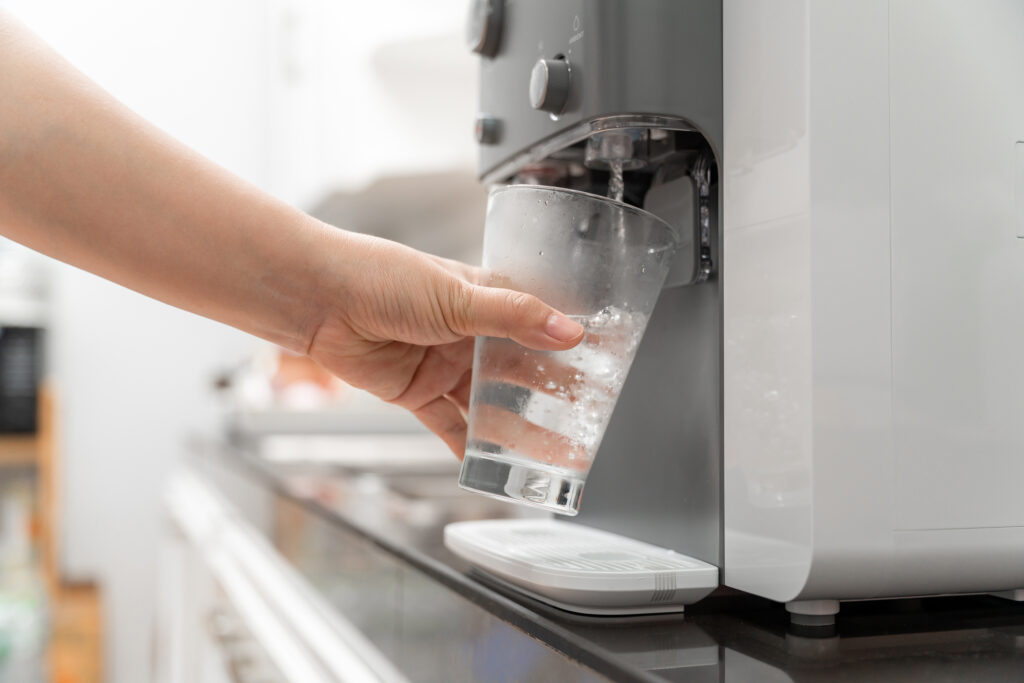
Hot water dispensers bring speed and convenience to kitchens, break rooms, and offices. One push of a handle delivers near boiling water for coffee, tea, or food prep. Many users assume problems with these systems come from electrical faults or worn parts. In reality, mineral scale often causes the most frustrating performance issues, especially when it interferes with temperature sensors.
Homes and businesses across Metairie, New Orleans, and surrounding areas deal with mineral rich water. Over time, dissolved minerals settle out and attach to internal components. Temperature sensors sit directly in the path of heated water, which makes them vulnerable. Once scale builds up, the sensor no longer reads water temperature accurately. That single change can throw off the entire system.
Understanding how scale affects sensors helps users recognize problems early and protect their equipment from unnecessary damage.
What Mineral Scale Is and Why It Forms
Mineral scale forms when water heats and minerals separate from the liquid. Calcium and magnesium remain harmless in cold water, but heat causes them to harden and cling to surfaces. Hot water dispensers heat water constantly, which creates ideal conditions for buildup.
Each heating cycle leaves behind a thin layer of residue. Over weeks and months, that layer thickens. Areas with hard water see faster accumulation, but even moderately mineralized water causes buildup over time.
Scale does not stay evenly distributed. It prefers hot surfaces and narrow passages. Sensors, heating elements, and tank walls become prime targets.
How Temperature Sensors Work in Hot Water Dispensers
Temperature sensors monitor water heat and signal the system when to heat or stop heating. They rely on direct contact or close proximity to the water. Accurate readings keep water at a safe and consistent temperature.
Sensors respond to small temperature changes. That sensitivity allows precise control, but it also means any barrier between sensor and water affects accuracy. Mineral scale acts like insulation. It prevents the sensor from sensing real water temperature.
Once that barrier forms, the dispenser starts making incorrect decisions.
How Scale Changes Sensor Readings
Mineral scale coats the sensor surface. The sensor begins reading the temperature of the scale instead of the water. Since scale heats and cools at a different rate, the reading drifts away from reality.
In many cases, the sensor reads water as cooler than it actually is. The system keeps heating, which leads to overheating. In other situations, the sensor reads water as hotter than it really is, causing the unit to shut off early.
Either outcome creates noticeable performance issues. Users experience water that runs too hot, not hot enough, or fluctuates unexpectedly.
Symptoms Users Often Notice
Sensor issues caused by scale rarely appear suddenly. Problems build gradually, which makes them harder to trace. Common signs include inconsistent water temperature, longer heating times, frequent cycling, and unexpected shutoffs.
Some users report water that tastes off or smells unusual. Overheating can stress internal components, which sometimes releases odors. Others notice the dispenser trips safety limits more often.
In offices or commercial kitchens, inconsistent temperature disrupts daily routines. Staff lose confidence in the equipment and workarounds become common.
Safety Risks Linked to Sensor Problems
Temperature sensors play a major role in safety. They prevent water from reaching dangerous temperatures. When scale interferes with sensor accuracy, that protection weakens.
Overheated water increases burn risk. Many dispensers include safety limits, but repeated overheating stresses those safeguards. Thermal cutoffs may trip more often, leading to downtime.
Underheating also creates issues. Lukewarm water encourages bacteria growth in tanks and lines. The dispenser may appear functional while delivering unsafe water.
Why Scale Builds Faster in This Region
Water quality in Metairie and New Orleans contributes to scale formation. Many local water sources contain minerals that leave residue during heating. High humidity also encourages frequent use of hot water systems, which increases heating cycles.
Seasonal temperature changes affect water chemistry. Warm weather increases mineral precipitation during heating. Systems that run year-round face constant exposure.
Businesses with high usage see faster buildup. Each heating cycle adds another layer.
How Scale Affects More Than Sensors
Once the scale reaches the sensor, it likely coats other components too. Heating elements lose efficiency as scale insulates them. Tanks lose capacity as the buildup reduces internal space.
Valves and fittings become less responsive. Internal passages are narrow, which restricts flow. These issues often appear together, not separately.
Sensor errors often serve as an early warning sign that scale has spread deeper into the system.
Why Simple Cleaning Sometimes Fails
Many users attempt basic cleaning by flushing the system or wiping visible parts. While surface cleaning helps, it rarely reaches sensor surfaces fully.
Sensors sit in tight spaces designed for protection. Scale bonds tightly and resists simple rinsing. Improper cleaning can damage wiring or seals.
Professional descaling uses controlled solutions and proper disassembly to remove buildup safely. That process restores sensor accuracy without harming components.
How Preventive Maintenance Makes a Difference
Routine maintenance prevents scale from reaching critical components. Scheduled descaling removes buildup before it hardens. Technicians also inspect sensor condition and recalibrate readings if needed.
Water filtration reduces mineral content entering the system. Even basic filtration slows buildup significantly.
Bienvenu Brothers offers maintenance plans designed for local water conditions. Their team understands how mineral content affects equipment in this region and adjusts service accordingly.
When Replacement Becomes Necessary
Severe scale damage may permanently alter sensor accuracy. In those cases, replacement provides the safest solution. Continuing to operate with a compromised sensor risks overheating and system failure.
Early maintenance prevents this outcome. Catching scale before it embeds deeply protects both sensors and heating elements.
Professional evaluation determines whether cleaning or replacement makes sense. Guessing often leads to repeated issues.
Why Professional Service Protects Your Investment
Hot water dispensers represent a convenience investment. Proper care extends lifespan and preserves performance. Professional service ensures sensors read accurately and safety systems function correctly.
Bienvenu Brothers brings decades of plumbing experience to dispenser service. Their technicians handle residential and commercial systems with attention to detail and safety.
Local knowledge matters. Understanding water conditions allows better prevention strategies.
Frequently Asked Questions
How often should hot water dispensers receive descaling?
Most systems benefit from descaling every six to twelve months, depending on usage and water quality.
Can mineral scale cause safety shutdowns?
Yes. Sensor interference can trigger overheating or safety limit trips.
Does filtered water prevent scale completely?
Filtration reduces buildup but does not eliminate it.
Are sensor problems always electrical?
No. Many sensor issues stem from physical buildup rather than wiring faults.
Should I stop using the dispenser if the temperature fluctuates?
Yes. Fluctuating temperatures signal sensor issues that need professional attention.
Hot water dispenser issues often trace back to mineral scale. Bienvenu Brothers can help restore safe performance. Call (504) 835-7783 for expert service.