


Heat pumps work hard to keep homes comfortable in changing weather, but many homeowners notice a strange problem during start up. The system turns on, sounds different than usual, struggles to produce heat, or shuts back off before reaching comfort. One hidden cause behind these issues involves refrigerant migration. This condition does not show obvious warning signs at first, yet it can quietly affect performance, reliability, and long term system health.
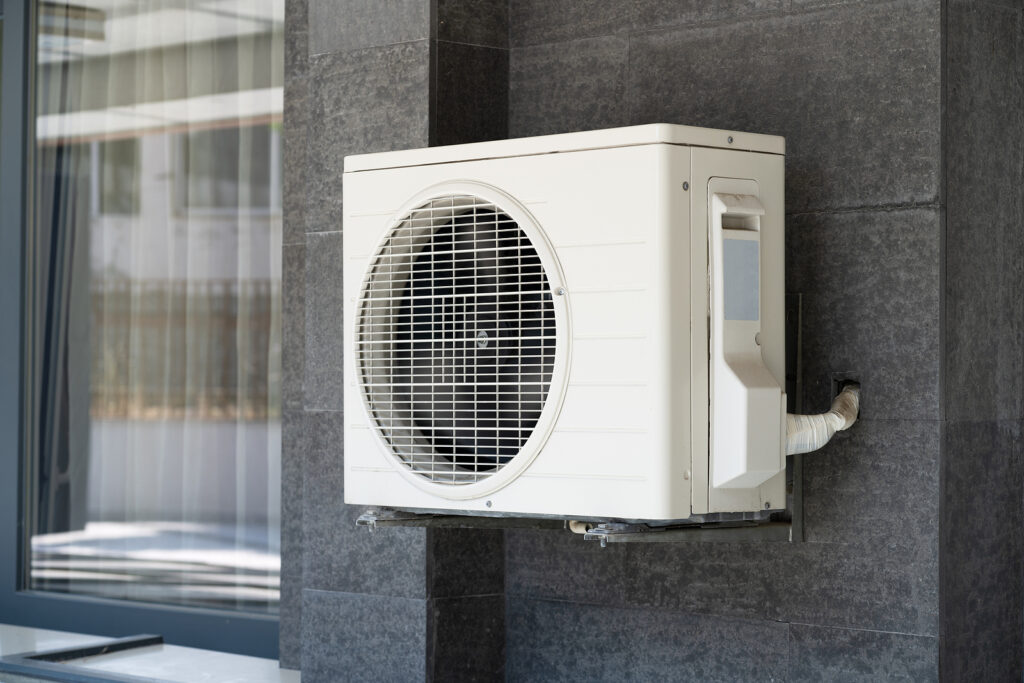
Homes across Metairie, New Orleans, and surrounding areas experience weather patterns that make refrigerant migration more likely. Mild winters, temperature swings, and frequent on off cycling create conditions where refrigerant moves to places it should not be while the system rests. Understanding how this happens helps homeowners recognize early symptoms and avoid costly damage.
What Refrigerant Migration Means in Simple Terms
Refrigerant moves heat through the heat pump system. During normal operation, it circulates between indoor and outdoor components in a controlled pattern. Refrigerant migration happens when that movement changes while the system sits idle.
During off cycles, refrigerant can drift toward the coldest part of the system. In heating mode, that often means liquid refrigerant settles in the outdoor unit or compressor instead of staying evenly distributed. Gravity and temperature differences guide this movement, not mechanical failure.
This shift becomes a problem at start up. The compressor expects refrigerant vapor, not pooled liquid. When liquid refrigerant enters the compressor during startup, the system struggles to operate smoothly.
Why Refrigerant Moves While the System Rests
Temperature plays the biggest role in refrigerant migration. Refrigerant naturally moves toward cooler areas. Overnight temperature drops or long off cycles encourage refrigerant to settle in colder sections of the system.
Heat pumps in southern climates face unique challenges. Mild outdoor temperatures cause frequent cycling. The system turns on and off more often than in colder regions. Each off cycle gives refrigerant time to move and settle.
Long idle periods during overnight hours also increase risk. Refrigerant continues migrating while the system rests, especially during cool nights followed by sudden morning startup.
How Migration Affects Start Up Performance
Startup struggles often begin quietly. The system may start slower than usual or produce less heat during the first few minutes. Homeowners may hear unusual sounds like brief knocking or rattling when the compressor starts.
Liquid refrigerant entering the compressor creates resistance. Compressors compress vapor, not liquid. Liquid refrigerant cannot compress easily, which places strain on internal components. This condition, sometimes called liquid slugging, disrupts smooth operation.
Repeated exposure to liquid refrigerant during startup wears down the compressor over time. Bearings, valves, and seals face extra stress. Even short episodes reduce efficiency and reliability.
Symptoms Homeowners Often Notice
Many people overlook early signs of refrigerant migration. The system still runs, so the issue feels minor at first. Common symptoms include delayed heating after startup, brief system shutdowns shortly after turning on, louder startup noises, and uneven heat output.
Some homeowners notice the system struggles more during morning hours or after long idle periods. Others report inconsistent comfort that improves once the system runs for a while.
These symptoms often disappear once the system stabilizes, which makes the problem easy to dismiss. Ignoring it allows damage to build slowly.
Why Heat Pumps Are More Sensitive Than Furnaces
Heat pumps differ from furnaces in how they manage refrigerant and temperature changes. Furnaces generate heat directly. Heat pumps move heat using refrigerant circulation.
Because heat pumps rely on refrigerant state changes, any disruption affects performance immediately. Migration interferes with that balance at startup. Furnaces do not face this issue because they do not use refrigerant to produce heat.
This sensitivity explains why heat pump startup issues appear even when no major component has failed.
Weather Patterns That Increase Risk
Local climate plays a major role in refrigerant migration. In Metairie and New Orleans, temperature swings often occur within the same day. Cool nights followed by warmer days create conditions where refrigerant moves during rest and then gets pulled into operation suddenly.
Humidity also affects system behavior. Moist air encourages longer defrost cycles and increases system downtime between runs. Each idle period allows refrigerant to settle.
Storm-related power outages add another risk. Extended shutdowns allow refrigerant to migrate fully into the compressor. When power returns, the sudden startup stresses the system.
Design Features That Help Control Migration
Manufacturers include safeguards to reduce migration risks. Crankcase heaters warm the compressor during off cycles to keep refrigerant vaporized. These heaters work quietly in the background.
Systems without functioning crankcase heaters face a higher risk. Electrical issues, aging components, or wiring faults can disable these heaters without obvious warning signs.
Proper refrigerant charge also matters. Overcharged or undercharged systems experience greater migration tendencies. Correct charge levels maintain balanced circulation even during off cycles.
Installation Quality Matters More Than Many Realize
Installation quality directly affects refrigerant behavior. Improper line sizing, incorrect slopes, and poor insulation increase migration risk.
Refrigerant lines should encourage proper oil and refrigerant return. Poor layout allows liquid to pool where it should not. Insulation gaps allow temperature differences that attract refrigerant to cold spots.
Professional installation ensures lines support correct refrigerant flow during both operation and rest. Shortcuts during installation often show up later as startup problems.
Maintenance Helps Prevent Startup Struggles
Regular maintenance plays a key role in controlling refrigerant migration. Technicians check crankcase heater operation, verify refrigerant levels, inspect electrical components, and confirm proper airflow.
Airflow issues indirectly affect refrigerant behavior. Restricted airflow changes system pressures, which can encourage migration during shutdown. Clean filters and coils support stable operation.
Bienvenu Brothers performs detailed system checks that focus on long-term reliability, not just immediate repairs. Identifying migration risks early protects the compressor and extends system life.
When Startup Issues Signal a Bigger Problem
Occasional rough starts may not cause immediate failure, but repeated events increase damage risk. Frequent shutdowns, persistent noises, or failure to maintain temperature suggest deeper issues.
Compressor damage ranks among the most expensive heat pump repairs. Addressing refrigerant migration early prevents that outcome.
Homeowners across Metairie, New Orleans, and surrounding areas benefit from local expertise that understands regional climate patterns. Systems in this region require different care than those in colder climates.
How Professional Service Restores Proper Operation
Professional service addresses both symptoms and causes. Technicians evaluate refrigerant charge, inspect line configuration, test crankcase heaters, and review electrical performance.
Solutions may include restoring heater function, correcting refrigerant levels, improving insulation, or adjusting control settings. Each fix targets system stability during startup.
Bienvenu Brothers brings decades of experience with heat pumps in Louisiana conditions. Their team understands how climate, usage patterns, and system design interact.
Frequently Asked Questions
What causes refrigerant to move when the system is off?
Temperature differences pull refrigerant toward colder areas during idle periods.
Can refrigerant migration damage my heat pump?
Yes. Liquid refrigerant entering the compressor causes wear and shortens system life.
Are startup noises always a sign of migration?
Not always, but repeated noises during startup often point to refrigerant movement issues.
Does turning the system off overnight make migration worse?
Long off-cycles allow more refrigerant to settle, increasing startup risk.
Can maintenance prevent refrigerant migration?
Regular inspections help detect and reduce conditions that lead to migration.
Heat pump startup problems can signal hidden damage. Bienvenu Brothers can help. Call (504) 835-7783 for expert service you can trust.