


Homes in Metairie and New Orleans deal with some of the most unpredictable weather in the country. One day feels hot and sticky, the next turns cool and rainy, and then warm air returns overnight. These quick shifts affect indoor comfort in ways many homeowners do not expect. One of the most common complaints during these weather swings involves dehumidifiers that suddenly seem less effective.
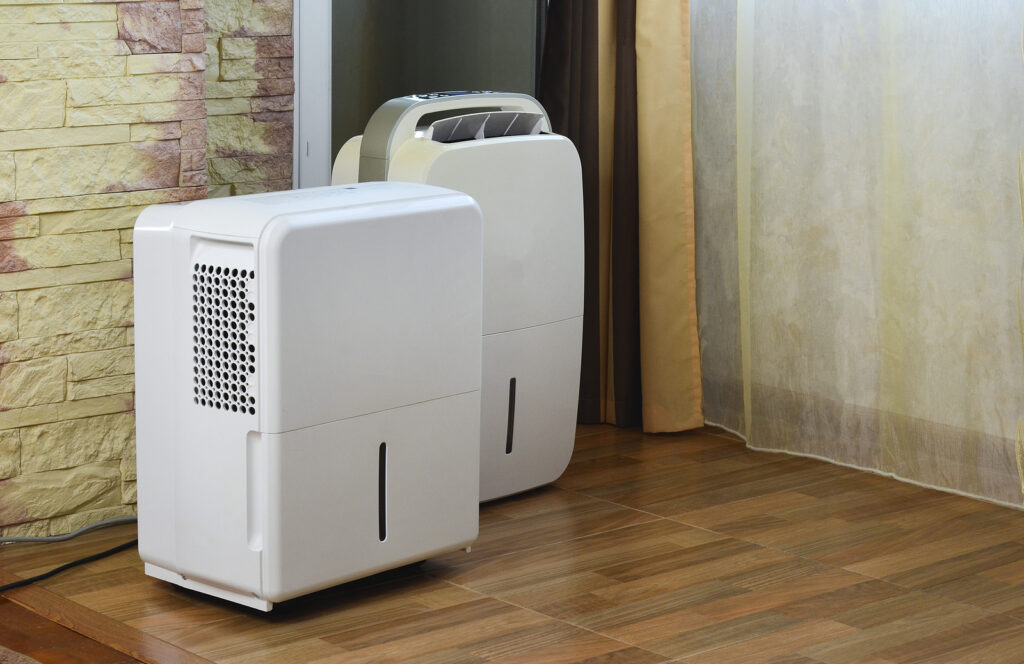
Many people assume their unit has stopped working when humidity rises after a storm or temperature shift. In reality, rapid weather changes place extra stress on moisture control systems. Dehumidifiers must constantly adjust to changing air conditions, and that process takes time and balance.
Understanding why these systems struggle during unstable weather helps homeowners protect indoor air quality and avoid unnecessary repairs. It also helps families know when professional service becomes necessary.
How Dehumidifiers Regulate Moisture in Your Home
A dehumidifier works by pulling warm, damp air across cold coils. As air cools, moisture condenses into water droplets that collect in a drain line or reservoir. The system then releases drier air back into the room.
This process depends on steady conditions. Temperature, airflow, and humidity levels must remain relatively stable for the unit to operate at peak efficiency. Sudden shifts disrupt this balance and force the system to constantly recalibrate.
Whole-home systems connected to HVAC equipment follow similar principles. They coordinate with air handlers and ductwork to remove moisture throughout the house. Portable units operate in single rooms but still rely on stable airflow and temperature.
Rapid weather changes interfere with all of these processes.
Why Louisiana Weather Creates Constant Moisture Challenges
South Louisiana sits near the Gulf of Mexico, which supplies warm, humid air year-round. Storm systems move quickly across the region. Cold fronts arrive suddenly. Tropical moisture surges in without warning.
These conditions cause sharp changes in outdoor humidity within hours. Indoor air absorbs these shifts through open doors, attic spaces, duct leaks, and ventilation systems. Homes constantly exchange air with the outside environment.
After a storm, humidity levels may spike. During a cold snap, indoor moisture may condense on surfaces. When temperatures rebound, damp air returns quickly.
Dehumidifiers must respond to these swings nonstop, often without enough time to stabilize.
How Rapid Temperature Changes Affect Moisture Removal
Temperature plays a major role in dehumidifier performance. Cold air holds less moisture than warm air. Warm air carries more water vapor. When temperatures drop suddenly, indoor air releases moisture onto walls, windows, and duct surfaces. This hidden moisture later evaporates when temperatures rise again. The dehumidifier suddenly faces a surge of humidity that did not exist hours earlier.
During warm spells, higher air temperatures increase evaporation from floors, furniture, and insulation. Moisture stored in building materials enters the air all at once. These temperature-driven moisture releases overwhelm many systems, especially smaller units.
Why Sudden Humidity Spikes Overload Dehumidifiers
After heavy rain or storm fronts, humidity levels often rise sharply. Moisture seeps into crawl spaces, basements, and wall cavities. Outdoor air entering the home carries high water content.
Dehumidifiers respond by running longer cycles. Compressors work harder. Coils remain cold for extended periods. Drain systems fill quickly.
If humidity rises faster than the unit can remove it, indoor moisture levels remain high. The system appears ineffective even though it runs continuously.
This overload condition does not mean failure. It means the environment changed faster than the equipment could adjust.
The Impact of Pressure Changes on Indoor Airflow
Weather systems change air pressure. High pressure systems bring drier air. Low pressure systems bring moisture and instability.
Pressure shifts affect how air moves through homes. During low pressure periods, outside air enters through small gaps around windows, doors, and attic spaces. This uncontrolled air carries moisture inside.
Duct systems also experience pressure changes. Air leakage increases. Return air draws in humid air from unconditioned spaces. Dehumidifiers must process this added moisture load while airflow patterns remain unstable. Efficiency drops as a result.
How Short Cycling Develops During Weather Swings
Rapid weather changes often cause short cycling. This happens when the unit turns on and off frequently without completing full moisture removal cycles.
Temperature shifts confuse humidity sensors. The system may shut down too early or restart too often. Compressors never reach steady operating conditions.
Short cycling increases wear and reduces moisture extraction. It also shortens equipment lifespan over time. Many homeowners notice higher humidity and louder operation during these periods.
Why Drainage and Condensation Problems Increase
During unstable weather, condensation forms more frequently inside HVAC systems and dehumidifiers. Drain lines may struggle to keep up. Algae and debris grow faster in warm, wet environments.
Blocked drains cause water backups. Overflow pans fill. Moisture spreads into surrounding materials. This secondary moisture adds to the humidity load. A unit fighting both humidity and drainage problems will struggle to maintain comfort.
How Insulation and Building Materials Store Moisture
Homes absorb moisture like sponges. Wood framing, drywall, carpets, insulation, and furniture all store water vapor. During wet periods, these materials collect moisture. During dry spells, they release it back into the air. Rapid weather changes speed up this exchange.
Dehumidifiers must remove moisture not only from the air but also from building materials. This process takes time and steady conditions. Frequent weather swings prevent full drying cycles from completing.
Why Older or Undersized Systems Struggle More
System size matters. Units designed for small spaces cannot handle sudden regional humidity spikes. Older systems also lose efficiency due to worn compressors, dirty coils, and outdated controls.
Many homes in Metairie and New Orleans rely on equipment installed years ago. These systems struggle to adapt to modern comfort demands and changing climate patterns.
An undersized or aging unit may perform well during stable weather but fail during storms and seasonal transitions.
How Professional Maintenance Improves Weather Adaptability
Routine service helps systems adjust to environmental changes more effectively. Technicians clean coils, test sensors, flush drain lines, inspect airflow, and calibrate controls.
Maintenance improves:
- Moisture removal efficiency
- Sensor accuracy
- Airflow balance
- Drainage reliability
- Compressor performance
Well-maintained systems respond faster to humidity shifts and recover more quickly after storms.
Practical Steps Homeowners Can Take
Homeowners can support their dehumidifiers by managing airflow and moisture sources. Sealing duct leaks, repairing weather stripping, and maintaining insulation reduces outdoor air intrusion.
Using exhaust fans during cooking and bathing limits indoor moisture. Keeping windows closed during high humidity periods protects indoor balance. Regular filter changes also improve airflow and performance. These habits reduce strain during unstable weather.
When to Call for Professional Help
Professional service becomes important when humidity remains high for days, water collects around equipment, odors develop, or the system runs constantly without improvement.
These symptoms indicate deeper airflow, sizing, or drainage problems. Early intervention prevents mold growth and structural damage.
Frequently Asked Questions
Why does my dehumidifier work fine one week and struggle the next?
Rapid weather changes affect indoor moisture levels. Sudden humidity spikes overwhelm the system temporarily.
Can storms really affect indoor humidity that much?
Yes. Rain, pressure changes, and wind push moist air into homes through small gaps and duct leaks.
Does running my air conditioner help control humidity?
Air conditioning removes some moisture, but dedicated dehumidifiers handle heavy humidity loads more effectively.
How often should dehumidifiers be serviced in Louisiana?
Annual professional maintenance works well for most homes, with extra checks after major storms.
Should I upgrade my system for better humidity control?
Upgrading may help if your unit is undersized or outdated. A professional evaluation provides clear guidance.
Struggling with indoor humidity during weather changes? Call Bienvenu Brothers at (504) 835-7783 for expert dehumidifier service in Metairie and New Orleans.