


Your thermostat acts as the control center for your entire cooling system. It decides when your AC turns on, how long it runs, and when it shuts off. Many homeowners focus on the AC unit itself when cooling feels off, but the thermostat location often plays a bigger role than expected. A thermostat placed near an interior wall can quietly create delayed cooling, uneven temperatures, and longer run times.
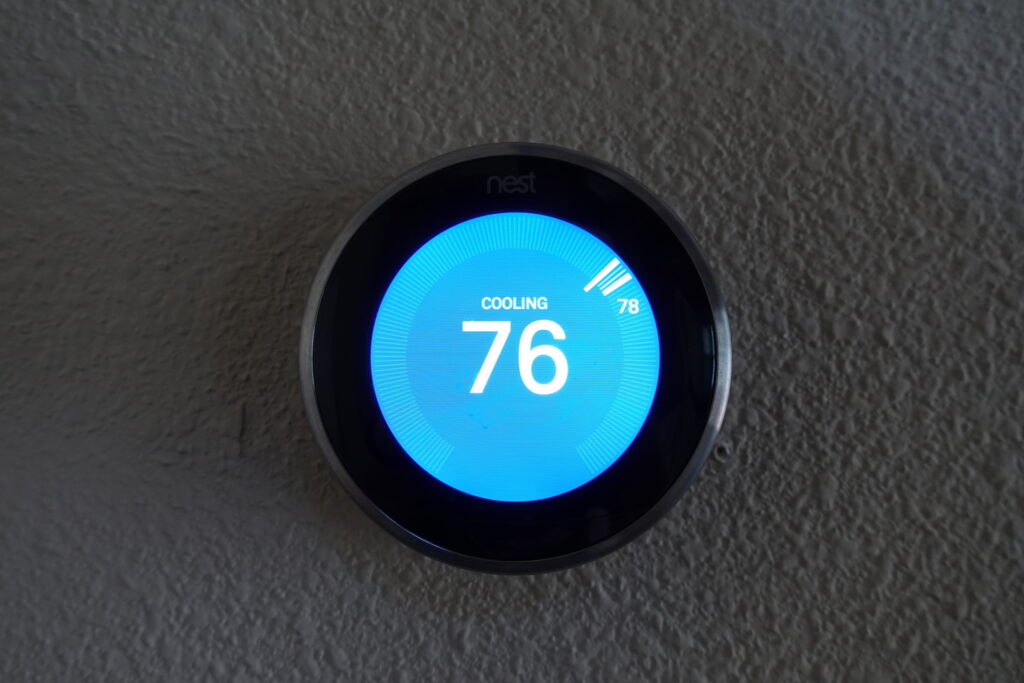
This issue does not always show up right away. At first, everything may seem fine. Over time, you may notice that your home takes longer to cool, certain rooms feel warmer, or your AC runs longer than usual. These changes can feel random, but they often trace back to where the thermostat reads temperature.
Understanding how thermostat placement affects your system helps you spot problems early and improve comfort without guessing.
Why Thermostat Location Matters More Than Most People Think
Your thermostat measures the temperature in the immediate area around it. It does not know the temperature in every room. It reacts only to the air it senses at that exact spot.
Interior walls often sit away from direct airflow, sunlight, and outside temperature changes. That might sound like a good thing, but it can actually create a disconnect between what the thermostat reads and what the rest of your home feels.
A thermostat placed in a stable, low-activity area may read a comfortable temperature while other parts of your home continue to heat up. This delay causes your AC to respond later than it should. By the time the system turns on, your home may already feel uncomfortable.
How Interior Walls Create Slower Temperature Changes
Interior walls tend to stay more stable than exterior walls. They do not absorb heat from the sun or outdoor air. That stability can slow down how quickly the thermostat senses rising temperatures.
In homes across Metairie and New Orleans, heat can build up quickly in living areas, kitchens, and rooms with large windows. At the same time, an interior hallway or central wall may stay cooler for longer.
This difference creates a delay. Your living space heats up, but your thermostat does not notice right away. Your AC stays off longer than it should. Once the thermostat finally detects the increase, the system has to work harder to catch up.
The Impact on Cooling Response Time
Delayed response leads to longer cooling cycles. Instead of maintaining a steady temperature, your AC allows the home to warm up before turning on.
This pattern creates noticeable swings in comfort. You may feel warm for a while, then suddenly cool once the system kicks in. That stop-and-go feeling often points to thermostat placement rather than equipment failure.
Longer cycles also put more strain on your system. Your AC runs harder to bring temperatures back down instead of making small adjustments throughout the day.
Uneven Cooling Across Different Rooms
A thermostat near an interior wall can create uneven cooling between rooms. Areas closer to windows, doors, or direct sunlight heat up faster. Rooms farther from those heat sources stay cooler.
Since the thermostat reads from a cooler area, it may shut the system off too early. Warmer rooms never reach the desired temperature. This leads to constant adjustments on the thermostat as you try to stay comfortable.
You may notice certain rooms feel perfect while others stay warm or humid. That imbalance often connects to how your thermostat senses temperature.
How Airflow Around the Thermostat Affects Readings
Air movement plays a big role in thermostat accuracy. A thermostat placed in a spot with limited airflow may not reflect the true temperature of your home. Interior walls often sit in areas with less air circulation. Without steady airflow, the thermostat reads stale or trapped air rather than the overall room condition.
Return vents and supply vents help move air throughout your home. A thermostat placed too far from these airflow paths may not respond quickly to temperature changes. Good airflow helps your thermostat stay in sync with the rest of your home. Poor airflow creates delays and uneven performance.
Daily Activities Can Make the Problem Worse
Your daily routine can make thermostat placement issues more noticeable. Cooking, using appliances, or having more people in one area increases heat in certain parts of your home.
A thermostat near an interior wall may not pick up on these changes right away. The system reacts late, which allows heat to build up before cooling begins.
Even lighting and electronics can add heat to a room. These small changes add up throughout the day and create differences between rooms and the thermostat location.
Signs Your Thermostat Placement May Be Causing Issues
Delayed cooling response often shows up in subtle ways. You may not immediately connect it to the thermostat.
Watch for signs like these:
- AC turns on later than expected after the temperature rises
- Rooms feel warm before the system starts cooling
- Frequent thermostat adjustments to stay comfortable
- Uneven temperatures across different areas of the home
- Longer run times once the system finally turns on
These patterns often point to placement rather than a mechanical problem.
How Proper Placement Improves Comfort
A well-placed thermostat helps your system respond faster and more accurately. It should sit in an area that reflects average conditions in your home. Technicians look for locations with steady airflow, away from direct heat sources, and close to commonly used living spaces. This placement allows the thermostat to sense temperature changes as they happen.
Better placement leads to quicker system response, more even cooling, and fewer temperature swings. Your AC works more efficiently because it makes smaller adjustments instead of large corrections.
Why Professional Evaluation Makes a Difference
Thermostat placement may seem simple, but small changes can make a big difference. A professional can evaluate airflow, room usage, and system design to find the best location.
Sometimes the solution involves relocating the thermostat. In other cases, adjustments to airflow or duct layout can improve performance without moving it.
A proper setup helps your system respond the way it should. It reduces strain on your equipment and improves comfort throughout your home.
Frequently Asked Questions
Can thermostat placement really affect cooling performance?
Yes. The thermostat controls system operation, so its location directly affects how your AC responds.
Why does my AC turn on late, even when the house feels warm?
A thermostat near an interior wall may not sense rising temperatures quickly, which delays system activation.
Should a thermostat be placed on an interior or exterior wall?
Placement should reflect average home conditions. Interior walls can work if airflow and heat exposure are balanced.
Can moving my thermostat fix uneven cooling?
Yes. Better placement can help your system respond more accurately and improve temperature balance.
Who should check thermostat placement in my home?
A licensed HVAC professional can evaluate placement and recommend adjustments for better performance.
Delayed cooling issues? Bienvenu Brothers can help. Call (504) 835-7783 for expert AC service in Metairie & New Orleans.