


Furnace problems tend to show up at the worst possible time, especially in homes across Metairie and New Orleans where winter temperatures can drop quickly. One of the most confusing issues for homeowners comes from a furnace that doesn’t stay on. It starts, stops, starts again, and then shuts off for no clear reason. Many people suspect a bad thermostat or a dirty filter, but loose electrical connections sit at the top of the list for this exact behavior.
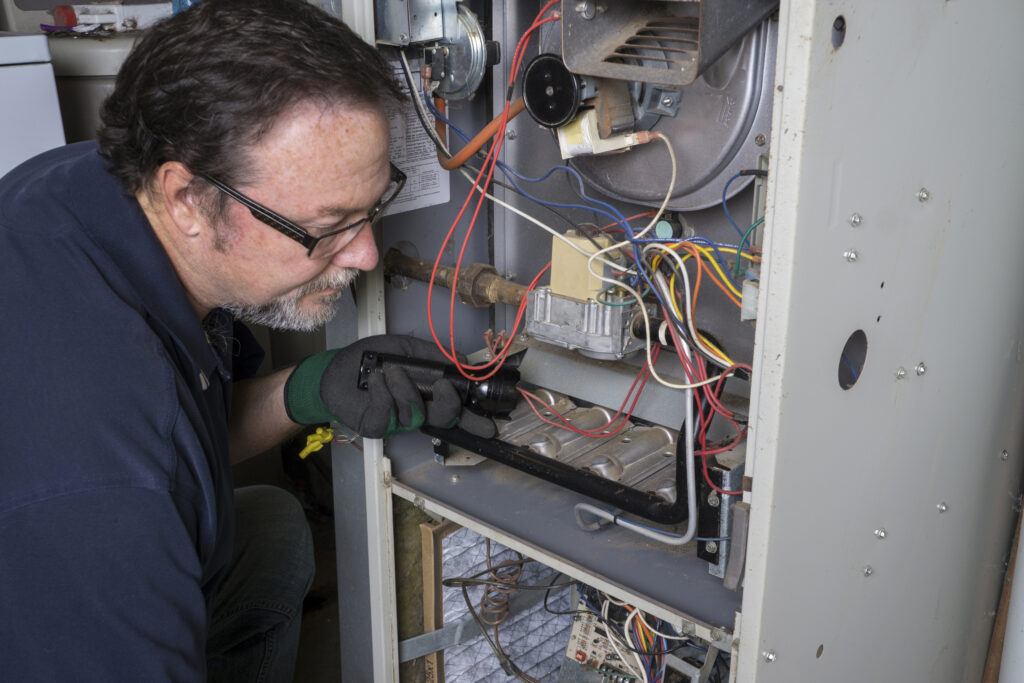
A furnace relies on a steady electrical supply to ignite, heat, and move air through the home. Every control, motor, sensor, and relay depends on clear electrical communication. Once connections loosen, the system loses the signal needed to run safely. The furnace then shuts itself off to protect the equipment and the home. That creates short heating cycles, cold rooms, and rising frustration.
Loose connections don’t always show obvious signs at first. They tend to worsen over time due to vibration, age, corrosion, or heat changes inside the furnace compartment. A homeowner might hear the system click off or notice random restarts during the day. Another might see the thermostat behave oddly or the furnace blower stop without warning. These problems point to the same underlying cause: the electrical supply loses stability.
This guide breaks down why loose connections develop, how they affect furnace performance, and what symptoms you should look for. You’ll also learn how licensed professionals handle these issues and what steps protect your heating system from long-term damage. Everything is written for homeowners in the New Orleans and Metairie area who want clear, real-world guidance.
Why Loose Electrical Connections Form Inside Furnaces
A furnace contains many electrical points: wire terminals, grounding screws, relays, circuit boards, limit switches, blower connections, and ignitor wiring. Each connection must stay tight to keep voltage stable. Once a connection weakens, even slightly, the furnace loses the consistency it needs.
The most common causes include:
Heat Expansion Inside the Furnace
Furnaces heat up and cool down throughout the day. Every cycle makes the metal expand and contract. That movement slowly weakens screws, terminals, and clips. Over time, the electrical path wobbles or separates enough for the furnace to shut down.
Vibration During Operation
Blower motors and burners create vibration. Even small vibration over thousands of cycles can loosen a wire or screw. Many furnaces sit in older homes where ducts or platforms may vibrate more than normal.
Corrosion or Moisture Exposure
Humidity levels in New Orleans and Metairie are consistently high. Moisture can reach electrical components inside older furnaces or poorly sealed compartments. Corrosion starts forming on terminals and causes the connection to weaken.
Wire Fatigue from Age
Older wires may stiffen, crack at the ends, or lose flexibility. Once the wiring ages, the metal inside the insulation may no longer hold tightly inside the terminal.
Improper Installation or Previous Repairs
A rushed installation or quick repair can set a furnace up for trouble. Poorly tightened screws or sloppy wiring work leads to early connection failure.
Loose connections don’t always appear dangerous at first, but they threaten the furnace’s control board, blower motor, ignitor, and safety sensors. A furnace shuts down the moment it sees missing voltage, even for a second.
How Loose Electrical Connections Affect Furnace Operation
Homeowners often deal with intermittent shutdowns without knowing the electrical supply has weakened. Loose connections affect performance in several stages.
1. The Furnace Starts But Stops Mid-Cycle
A loose wire interrupts the control board’s power or signal. The board then stops the cycle and tells the system to shut off for safety.
2. Sensors Trigger Unnecessary Safety Responses
Modern furnaces contain flame sensors, limit switches, rollout switches, and pressure switches. These sensors monitor safety and respond quickly to tiny electrical changes. Once a connection weakens, the furnace receives the wrong signal and turns off.
3. The Blower Motor Stalls
Loose wires connected to the blower motor or capacitor create power dips. The motor stops briefly and then attempts to restart, which causes the furnace to shut down to prevent damage.
4. The Ignitor Fails to Light the Burner
Ignitors require steady voltage. Any interruption stops the ignition cycle. The furnace then tries several more times before shutting down to protect the system.
5. The Control Board Registers a Fault Code
Many furnaces show blinking error codes on their boards. Loose electrical connections create inconsistent communication that triggers these codes.
Intermittent shutdowns continue until the connection becomes too loose to support any operation at all.
Common Symptoms of Loose Electrical Connections in Furnaces
Homes across Metairie and New Orleans share the same complaints when a furnace develops loose wiring. These signs should never be ignored:
- The furnace runs only a few minutes before shutting off
- The system restarts randomly throughout the day
- Cold air blows briefly before the heat shuts off
- The thermostat keeps resetting or flashing
- The blower runs without heat
- Lights flicker when the furnace starts
- Burning smell from wires overheating
- Error codes that come and go
- Complete shutdown with a later sudden restart
These symptoms mimic several other issues, which is why loose connections often get overlooked. A trained technician traces the voltage through the furnace until the unstable connection reveals itself.
Why Loose Electrical Connections Are a Safety Risk
Loose electrical connections place strain on every component. That strain leads to heat buildup, arcing, and premature failure of critical parts.
Here’s why this matters:
Heat Damage
A loose connection creates resistance. Resistance creates heat. Heat melts wiring insulation or damages terminals. Once the insulation melts, the connection becomes unsafe.
Fire Hazards
Arcing occurs when electricity jumps between gaps. Arcing produces sparks and intense heat. Inside a furnace cabinet, this raises the risk of fire.
Gas Ignition Problems
Loose wiring interrupts the ignition process. That may allow gas release without proper ignition timing, which becomes dangerous.
Damage to the Control Board
A furnace control board is sensitive and expensive to replace. Sudden spikes from bad wiring often ruin the board.
Loose connections need attention early, long before they cause costly repairs or unsafe situations.
How Technicians Fix Loose Electrical Connections
A professional repair begins with a full electrical inspection of the furnace. Technicians follow a structured process to locate and fix the problem.
Step 1: Visual Wire and Terminal Check
Technicians inspect wires for looseness, discoloration, burn marks, or corrosion.
Step 2: Meter Testing
A meter tests voltage, continuity, and stability at each connection. Even a slight voltage drop reveals a weak connection.
Step 3: Tightening and Securing All Terminals
Every terminal screw gets tightened to restore stability. Loose push connectors get replaced when needed.
Step 4: Replacing Damaged Wires
If insulation has melted or wires show scorch marks, those parts are replaced immediately.
Step 5: Control Board and Ignition Testing
The furnace gets restarted while technicians monitor the ignition sequence, blower motor, and heating cycle for stability.
Once repaired, the system runs smoothly and safely without random shutdowns.
How Homeowners Can Reduce Connection Issues
You can extend the life of your furnace by protecting its electrical health. The steps below make a big difference:
- Schedule annual furnace maintenance
- Keep the furnace closet dry and free of moisture
- Avoid blocking airflow around the furnace cabinet
- Replace filters regularly to prevent strain on the blower
- Keep pests away from wiring areas
- Use a whole-home surge protector
A yearly tune-up includes tightening electrical connections before winter use. Homes in Metairie and New Orleans benefit from this because humidity and temperature changes take a toll on wiring.
FAQs About Loose Electrical Connections and Furnace Shutdowns
Why does my furnace shut off randomly during the day?
Loose electrical connections interrupt the voltage needed to run the furnace. Even a small gap can shut the system off until power stabilizes.
Can loose wiring damage the furnace?
Yes. Loose wires create heat and cause damage to terminals, motors, and control boards. This leads to expensive repairs if ignored.
Why do loose connections create burning smells?
Resistance from a weak connection creates heat. That heat burns insulation or dust on the wire, causing a noticeable odor.
Do loose electrical connections create short cycling?
Yes. The furnace loses its electrical signal mid-cycle and shuts down early. It restarts when the signal returns.
Should homeowners try tightening wires themselves?
No. Furnaces contain sensitive controls and safety components. Only a trained technician should adjust wiring to avoid hazards.
Restore safe and steady heat in your home with help from Bienvenu Brothers. Call (504) 835-7783 for expert furnace service in Metairie and New Orleans.