


A furnace should run quietly and steadily when cold weather arrives. Warm air should flow through the vents without interruption. Yet many homeowners in Metairie and New Orleans notice a frustrating pattern. The furnace starts, runs briefly, and then shuts off without warning. After a few minutes, it may try again and fail once more. This cycle can repeat for days.
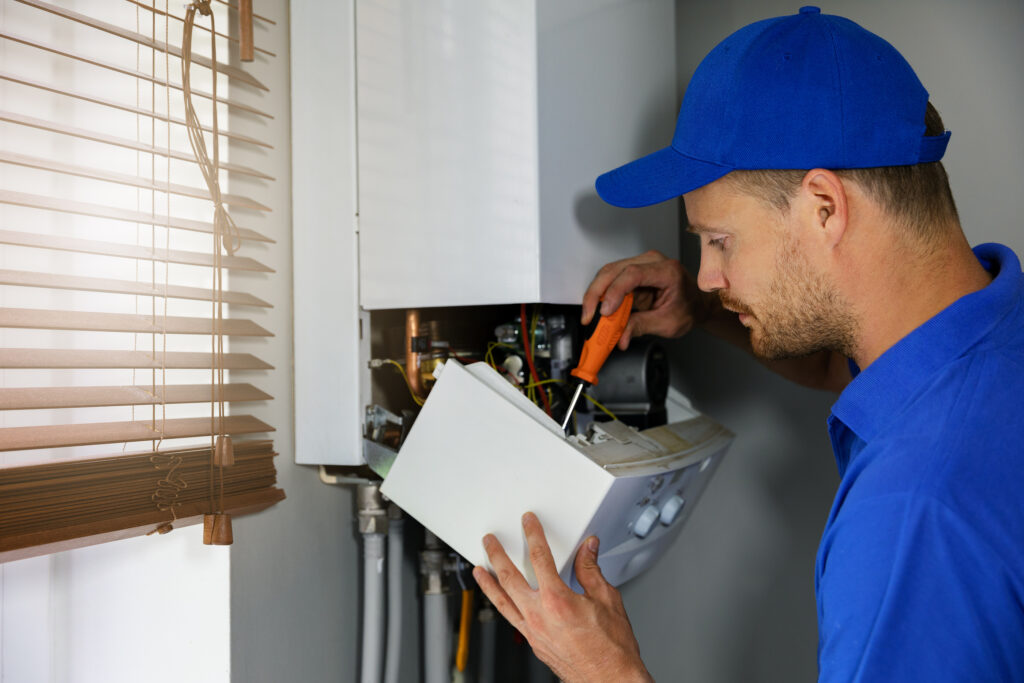
In many homes, this problem connects to a safety device called the flame rollout sensor. This small part protects your family from dangerous combustion problems. Even minor vent blockages can cause this sensor to shut down your entire heating system.
Many people assume that only serious obstructions can trigger safety sensors. In reality, small airflow restrictions often cause the same dangerous conditions. Understanding how this happens can help you avoid repeated breakdowns and protect your home.
Understanding the Purpose of a Flame Rollout Sensor
Every gas furnace includes several built-in safety controls. These components constantly monitor how the system operates. The flame rollout sensor plays a critical role in preventing fire hazards and carbon monoxide exposure.
During normal operation, burner flames stay contained inside the combustion chamber. Airflow pulls heat and exhaust gases through the heat exchanger and out of the vent pipe. This controlled process keeps high temperatures away from sensitive components.
When flames begin to move outside their intended area, dangerous conditions develop. Excess heat can damage wiring, crack the heat exchanger, and create fire risks. The rollout sensor sits near the burner opening and detects abnormal heat patterns. Once it senses danger, it immediately shuts off the gas supply and stops operation.
This shutdown protects your home. The sensor does not malfunction easily. Most of the time, it responds to real airflow or combustion problems that require attention.
How Furnace Venting Supports Safe Combustion
A furnace relies on proper venting to function safely. Every time the burners ignite, exhaust gases form. These gases must leave the home quickly and smoothly.
A draft motor pulls exhaust through the heat exchanger and pushes it through the vent system. Proper venting creates steady pressure that keeps flames moving forward. This airflow maintains stable combustion and prevents backflow.
A healthy vent system allows:
- Consistent exhaust movement
- Balanced internal pressure
- Stable flame patterns
- Proper oxygen supply
Any disruption to this balance affects how the furnace burns fuel. Even slight resistance inside the vent pipe can change pressure and airflow enough to create safety concerns.
Why Minor Vent Blockages Create Major Safety Issues
Many homeowners picture blocked vents as fully clogged pipes or large nests. These extreme situations do occur, but most problems develop slowly through minor buildup.
Common sources of restriction include dust, leaves, insulation fibers, insect debris, bird feathers, roofing material, and corrosion flakes. Over time, these materials collect inside vent pipes and termination caps.
At first, airflow only drops slightly. The furnace continues running, and no obvious symptoms appear. As buildup increases, exhaust movement slows. Pressure inside the heat exchanger rises. Flames lose their forward pull and begin drifting backward or outward.
Once this happens, heat spreads toward the burner opening. The rollout sensor detects the change and shuts the system down to prevent damage. What feels like a small obstruction can create a serious combustion problem.
Why Local Climate Makes Vent Blockages More Likely
Homes in South Louisiana face environmental challenges that increase vent-related issues. High humidity, heavy rainfall, frequent storms, and strong winds all contribute to buildup inside exhaust systems.
Moist air promotes condensation inside vent pipes. This moisture traps dust and debris, forming sticky residue that clings to pipe walls. Storms blow leaves and dirt onto rooftops and into exhaust openings. Warm vents attract insects and birds seeking shelter.
Over time, these factors create partial blockages that remain hidden from view. From the ground, a vent outlet may appear clear, while internal restrictions continue growing.
How Reduced Draft Pressure Disrupts Flame Behavior
Draft pressure keeps flames stable. It pulls combustion gases forward and maintains proper airflow through the system. Minor vent blockages weaken this draft. As pressure drops, flame behavior changes. Flames may stretch longer, flicker unevenly, lift off the burners, or shift sideways. These changes increase heat near sensitive areas.
Once temperatures rise around the burner opening, the rollout sensor reacts. The shutdown often happens quickly, sometimes within seconds of ignition. This rapid response explains why furnaces sometimes shut down almost immediately after starting.
Warning Signs That Point to Vent-Related Rollout Problems
Vent restrictions often produce subtle symptoms before full shutdowns occur. Homeowners may notice short cycling, where the furnace runs briefly and stops. The system may require frequent resets. Heating performance may feel inconsistent.
Other warning signs include dusty or burning odors, soot near burners, rattling vent pipes, rust flakes around joints, and recurring error codes related to safety sensors. These symptoms should never be ignored. They indicate airflow problems that can worsen quickly.
How Poor Maintenance Increases the Risk of Rollout Shutdowns
Vent restrictions rarely act alone. Other neglected components often contribute to the problem. Dirty air filters reduce airflow through the heat exchanger. Dusty blower wheels slow circulation. Dirty burners distort flame shape. Corroded vent joints leak exhaust.
Each issue adds stress to the system. Together, they magnify airflow imbalance and raise internal temperatures. Under these conditions, even small obstructions trigger shutdowns. Routine maintenance prevents this chain reaction.
Why Repeatedly Resetting the Sensor Is Unsafe
Some homeowners reset rollout sensors without addressing the cause. This practice creates serious risks. Each reset allows unstable flames to return. Continued overheating damages wiring, sensors, and metal components. Heat exchangers may crack. Gas valves may wear prematurely. Fire hazards increase.
The sensor acts as a warning system. Ignoring it defeats its purpose. A tripped rollout sensor always signals a deeper issue that needs professional attention.
How Professional Vent Inspections Identify Hidden Problems
A proper vent inspection requires more than a quick visual check. Experienced technicians use specialized tools and testing methods to evaluate the entire exhaust system.
Professional inspections include internal camera scans, draft pressure measurements, combustion analysis, moisture detection, joint inspections, and rooftop termination checks.
This process reveals restrictions that homeowners cannot see. Technicians also clean buildup, repair damaged sections, and restore proper airflow.
Common Vent Problems in Metairie and New Orleans Homes
Local homes share many vent-related challenges. Storm debris, corrosion from humidity, improper vent slopes, shared vent systems, and loose roof flashing frequently cause restrictions.
Older homes may have outdated vent materials that degrade faster. Some properties use shared flue systems that amplify airflow issues. These conditions develop slowly, making professional inspections especially valuable.
How Routine Maintenance Prevents Rollout Sensor Trips
Preventive service protects both comfort and safety. Maintenance visits include vent cleaning, burner inspection, filter replacement, sensor testing, draft evaluation, and combustion adjustments.
These steps keep airflow balanced and combustion stable. Well-maintained furnaces rarely experience flame rollout issues. Regular service also extends system lifespan and improves efficiency.
When Professional Help Becomes Urgent
Immediate service is necessary when rollout sensors trip repeatedly, strong odors appear, soot forms near burners, exhaust fumes enter living spaces, or unusual noises occur during operation.
These symptoms indicate serious safety risks. Delaying repairs increases the chance of property damage and health hazards.
Frequently Asked Questions
Can small debris really shut down my furnace?
Yes. Even light debris can restrict airflow enough to weaken draft pressure and trigger the rollout sensor.
Is a tripped rollout sensor dangerous?
Yes. It signals unsafe combustion conditions that can lead to fire or carbon monoxide exposure.
Can I clean my vent on my own?
Surface cleaning helps, but internal buildup usually requires professional tools and inspection.
Why do these problems appear more in winter?
Cold air changes draft pressure, and longer run times expose airflow restrictions more quickly.
Should I replace the sensor if it keeps tripping?
No. Repeated trips usually indicate airflow or venting problems, not a faulty sensor.
Protect your home from unsafe furnace shutdowns. Call Bienvenu Brothers at (504) 835-7783 for professional vent inspections and furnace repairs today.