


A new furnace should bring quick comfort. Most homeowners expect warm air within minutes of adjusting the thermostat. That expectation makes sense. After all, a furnace replacement promises better efficiency, stronger airflow, and more reliable performance. Yet many people notice something frustrating right after installation. The system turns on, but heat takes longer to reach the rooms. Some vents blow cool air at first. Certain areas warm up slowly. Doubts begin to creep in. Did the installation go wrong? Does the new furnace have a problem?
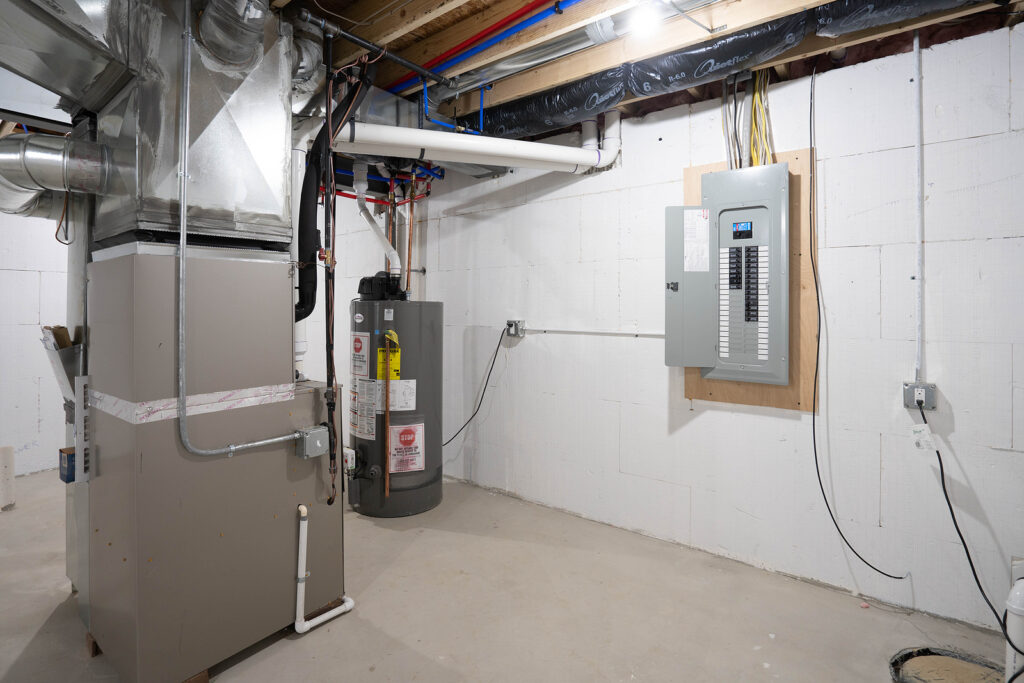
Delayed heat delivery rarely means the furnace itself failed. In many cases, the issue connects to how the system interacts with the home. Heating systems depend on airflow, controls, duct layout, and temperature balance. A new unit simply exposes conditions that the older furnace managed differently. Understanding these factors helps homeowners avoid unnecessary stress and identify what actually affects performance.
Let’s break down the most common reasons a new furnace may seem slow to deliver heat.
Initial Startup Behavior Differs From Older Systems
Modern furnaces operate differently than older equipment. Many newer models include variable speed blowers and staged heating cycles. These features improve comfort and efficiency, but they also change how the system behaves at startup. Instead of blasting hot air immediately, the furnace often ramps up gradually.
The blower may start at a lower speed while the heat exchanger warms. This process protects internal components and prevents uncomfortable bursts of excessively hot air. Homeowners accustomed to older single stage furnaces sometimes interpret this gentler startup as a delay or malfunction.
Nothing is actually wrong in this scenario. The furnace follows its designed sequence. Warm air simply arrives in a smoother, more controlled manner.
Ductwork Conditions Strongly Influence Heat Timing
Air travels through ductwork before reaching living spaces. Any restriction or imbalance along that path affects delivery speed. Furnace replacements do not automatically correct duct issues that developed over the years of use.
Common duct related causes of slow heating include:
- Undersized return ducts
- Air leaks at joints or seams
- Blocked or crushed duct sections
- Poor insulation in attic ducts
- Long or complex duct runs
A new furnace may move air differently from the previous system. Increased airflow demand can highlight weaknesses that went unnoticed before. Heated air loses energy when ducts leak or lack insulation, especially in cooler attic spaces.
Rooms farther from the furnace tend to show delays first. Air takes longer to travel through compromised pathways.
Blower Settings May Require Adjustment
Every furnace includes configurable airflow settings. Installers match blower speed to the home’s duct system and heating requirements. Small mismatches can affect how quickly warm air circulates.
Low blower speeds reduce airflow volume, which slows heat distribution. Excessively high speeds can also create problems by pushing air across the heat exchanger too quickly. Proper balance matters.
Blower adjustments often resolve complaints about slow heat delivery. This correction requires professional evaluation rather than trial and error changes.
Thermostat Communication Impacts Heating Cycles
The thermostat acts as the command center for the heating system. Incorrect settings or compatibility issues can influence startup timing. A modern furnace paired with an older thermostat sometimes produces unexpected behavior.
Several thermostat factors may create perceived delays:
- Incorrect cycle rate configuration
- Temperature calibration errors
- Staged heating setup mismatches
- Sensor placement issues
- Programming conflicts
Thermostats installed near drafts or heat sources may misread room conditions. The furnace responds based on those readings, which can extend or shorten cycles unpredictably. Accurate thermostat operation ensures consistent system response.
Air Temperature Rise Takes Time
Furnaces heat air as it passes across internal components. That heating process depends on temperature rise, which refers to the difference between return air temperature and supply air temperature. New systems often regulate this process more carefully.
Cold duct surfaces and room air at startup can temporarily cool the first bursts of air. Homeowners may feel lukewarm or cool airflow before steady heat develops. This effect appears more noticeable during colder weather or after long idle periods. Once the system stabilizes, the air temperature becomes consistent.
Static Pressure Problems Often Hide Behind Delays
Static pressure measures airflow resistance inside the duct system. High resistance forces the blower to work harder while reducing effective air movement. Many homes contain static pressure issues without obvious warning signs.
After furnace replacement, these hidden restrictions frequently surface. Airflow struggles with slow heat delivery, even though the furnace produces adequate warmth.
Typical contributors include:
- Dirty or restrictive filters
- Closed supply registers
- Undersized ducts
- Blocked returns
- Excessively tight duct bends
Professional testing helps identify these problems quickly. Visual inspection alone rarely reveals airflow resistance accurately.
Zoning Systems Can Affect Warmup Time
Homes with zoning systems divide heating into separate areas controlled by dampers and sensors. These setups improve comfort but require precise calibration. Improper damper operation or control settings can slow heating response.
Certain zones may receive reduced airflow during startup, which delays temperature changes. Homeowners may assume the furnace struggles when the zoning controls actually dictate airflow patterns. System balancing restores proper heat distribution.
Installation Quality Still Matters
Although delayed heat often traces back to system conditions, installation quality plays a role. Proper setup ensures the furnace operates at peak performance. Small oversights can influence airflow and heating behavior.
Potential installation related causes include:
- Improper duct connections
- Incorrect blower configuration
- Loose electrical connections
- Venting inconsistencies
- Calibration oversights
Experienced technicians verify these details during commissioning. Follow up inspections help address comfort concerns early.
Why Delayed Heat Does Not Automatically Signal Failure
Many homeowners worry that slow heating means the new furnace lacks power or efficiency. That assumption rarely proves accurate. Heating systems function as interconnected networks rather than isolated appliances.
Airflow balance, duct integrity, thermostat accuracy, and pressure control all influence performance. A furnace can only distribute heat as effectively as the surrounding system allows. Correcting airflow or control issues often transforms system behavior dramatically.
Frequently Asked Questions
Is it normal for a new furnace to take longer to deliver warm air?
Yes. Modern furnaces frequently use gradual startup sequences designed to protect components and improve comfort.
Can duct problems really affect heat timing that much?
Absolutely. Leaks, restrictions, or poor insulation can significantly slow heat distribution throughout the home.
Should blower speeds be checked after installation?
Yes. Proper airflow settings help ensure balanced heating and consistent comfort.
Do thermostat issues cause heating delays?
Yes. Incorrect settings or calibration problems can influence how and when the furnace cycles.
What should homeowners do if delayed heat persists?
Professional inspection helps identify airflow restrictions, pressure issues, or control mismatches quickly.
Uneven or delayed heat should never become your new normal. Call Bienvenu Brothers at (504) 835-7783 for expert furnace diagnostics and solutions.